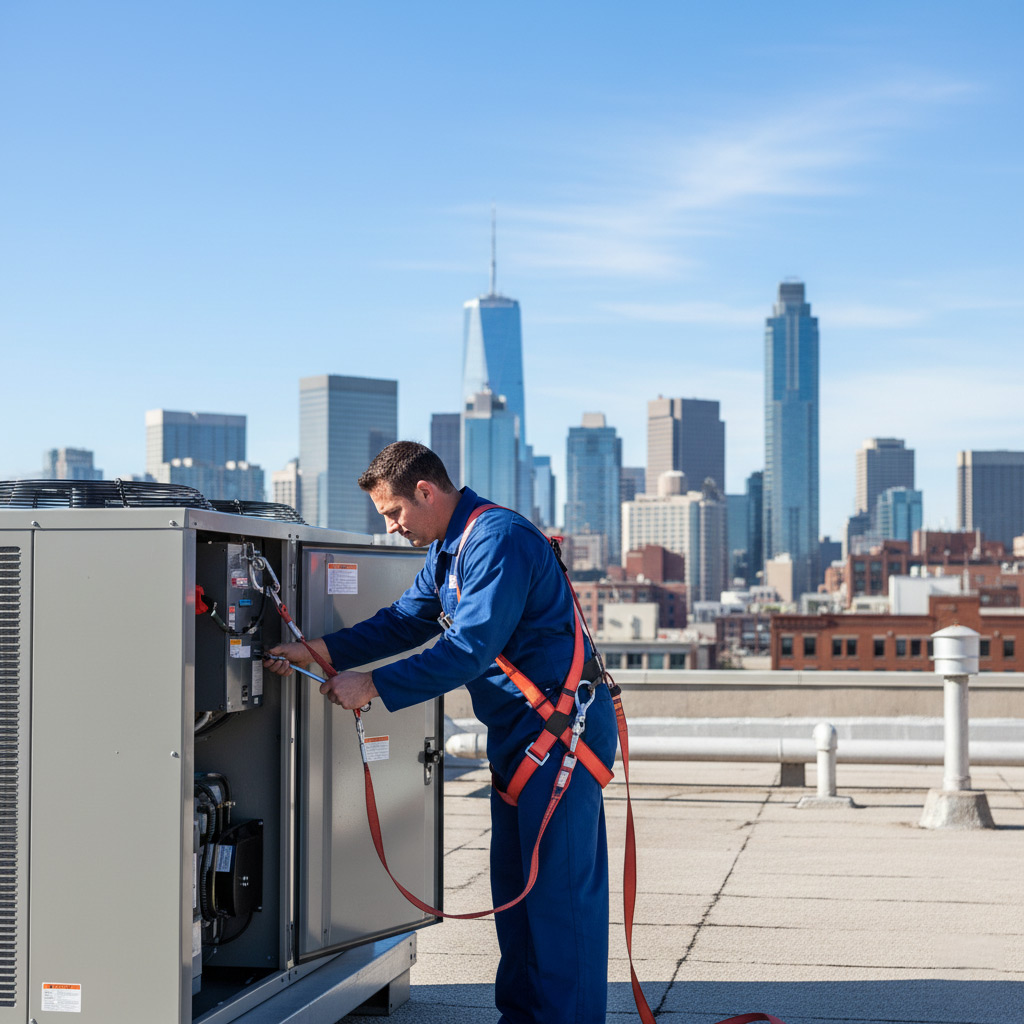
That sudden clank from your boiler feels like a warning shot, and before you know it you’re staring at a thermostat that looks more like a mystery box than a comfort controller.
Most Garden Grove homeowners think a quick fix will keep the heat humming, but the real savings hide in the details most techs never mention—like the tiny pressure valve that can save you a thousand bucks in a single winter.
We’ve pulled together the exact steps seasoned pros use to diagnose, repair, and future‑proof a boiler, so you won’t be left guessing when the next chill rolls in.
Ready to stop the guesswork and keep your home warm without breaking the bank? Keep reading and discover the secrets that keep the heat on and the bills low.
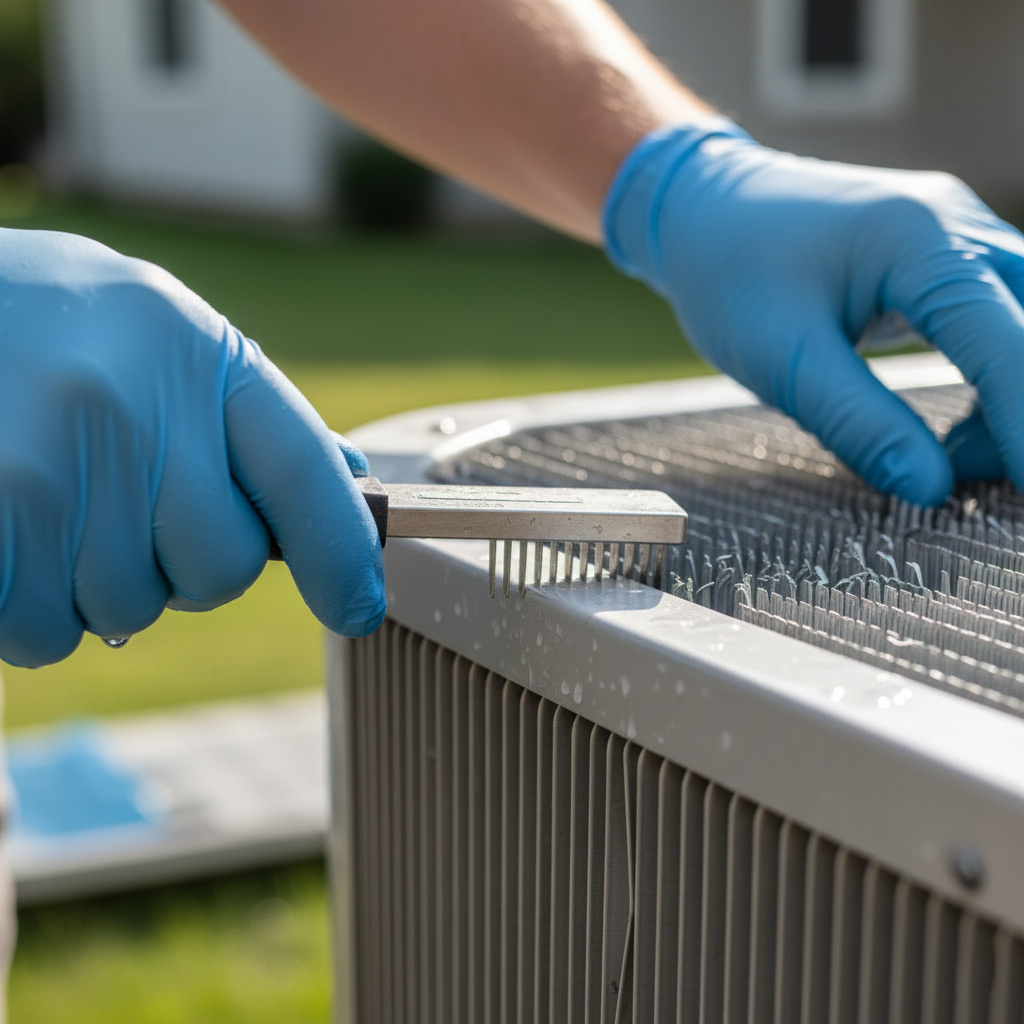
Understanding Boiler Basics and Common Issues in Garden Grove
In a Garden Grove home, the boiler is the heart that pumps hot water to radiators, baseboards, or a domestic hot‑water tank. It runs on gas, oil, or electricity, converting fuel into heat with a burner, heat exchanger, and a pump that circulates the warmed fluid. When everything’s humming, you barely notice it—but the moment a component falters, the whole system can go cold.
How a Boiler Works
The cycle is simple: fuel ignites, the burner heats the exchanger, water absorbs that heat, and the pump pushes the hot water where it’s needed. Pressure keeps the water moving; a thermostat tells the burner when to fire up again. If any link in that chain slips, you’ll feel the drop in temperature fast.
Typical Garden Grove Boiler Problems
- Leaking or corroded heat exchanger – causes rust stains and reduced efficiency.
- Faulty pressure valve – leads to low pressure warnings or dangerous over‑pressurization.
- Clogged burner or dirty flame sensor – results in uneven heating or the dreaded “no‑heat” error.
- Air in the system – creates noisy bangs and uneven room temperatures.
- Worn pump seals – cause water loss and noisy operation.
Because Garden Grove’s winters swing from mild to bone‑chilling, these issues surface faster than you think. Spotting them early saves you from a full‑blown breakdown and keeps your energy bill from spiking.
Spotting Early Warning Signs Before a Full‑Blown Failure
Noise That Won’t Quit
When your boiler starts rattling, clanking, or whistling, it’s not just a nuisance—it’s a symptom. Loose components or trapped air can cause wear that spirals quickly.
- Rapid ticking: air in the system.
- Low‑pitched humming: pump struggling.
- Sharp bangs: water hammer or sediment.
Pressure Gauge Red Flags
The pressure gauge is the boiler’s pulse. If it drifts below 1 psi or spikes above 2 psi, you’re flirting with a shutdown.
- Reading under 1 psi: insufficient water, risk of overheating.
- Reading over 2 psi: over‑pressurization, possible pipe burst.
- Fluctuating numbers: valve or expansion tank issue.
Bill Shock & Corrosion Clues
Sudden jump in your energy bill? That’s a whisper that the boiler is working harder than it should.
- Higher fuel usage: heat exchanger fouling.
- Visible rust or water stains: leaks, corrosion.
- Condensation pooling near the unit: drainage blockage.
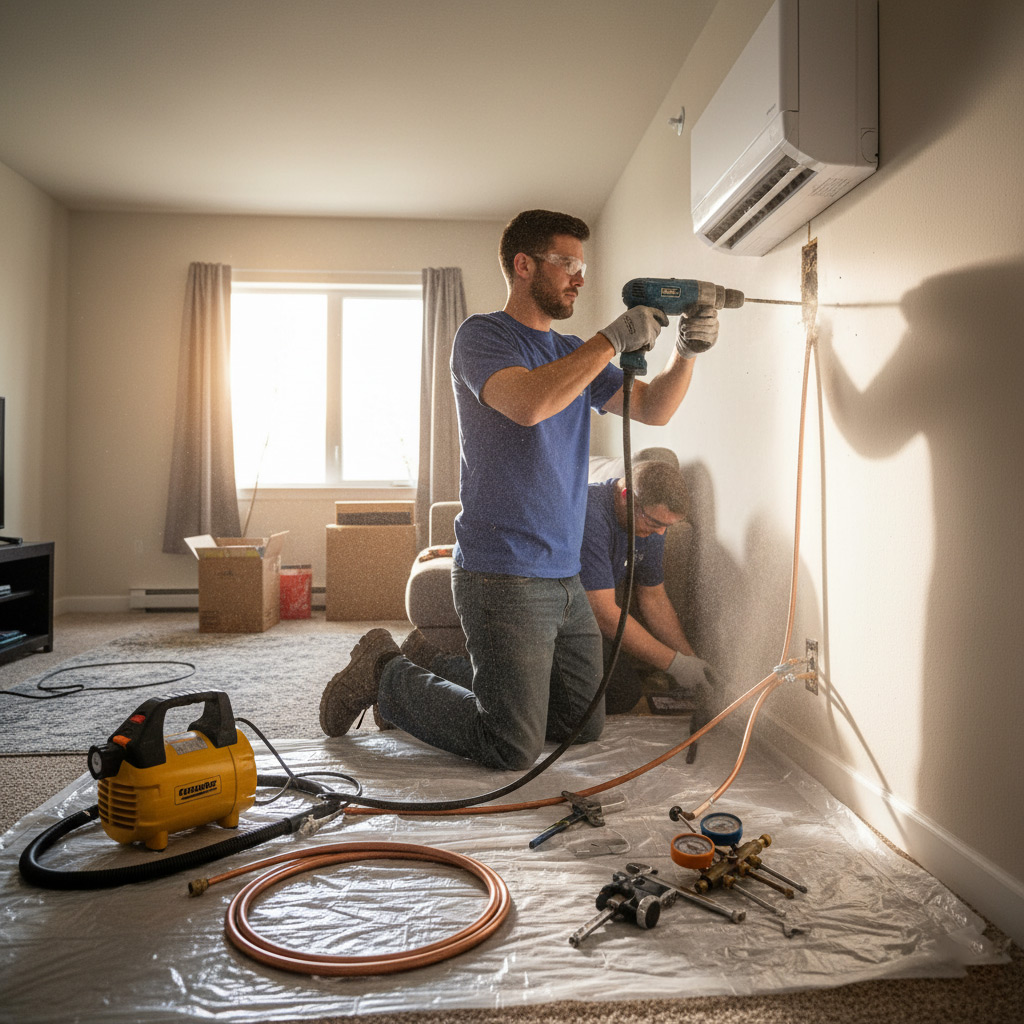
The Tiny Pressure Valve: Inspection, Adjustment, and Cost Savings
That little brass knob on your boiler does more than look pretty. When it’s set right, it keeps water pressure in the sweet spot, preventing costly leaks and wasted energy. Miss it by a notch, and you’re looking at higher bills and a potential system shutdown.
How to Inspect the Valve
First, turn off the boiler and let it cool for at least 30 minutes. Safety first—no one wants a surprise steam blast. Then locate the pressure gauge; it should read between 1.0 and 1.5 psi when the system is off.
- Check the valve’s spring for rust or wear.
- Listen for a faint hiss when you gently tap the valve—no sound means it’s sealed.
- Look for water droplets around the connection; any moisture signals a leak.
Adjusting for Optimal Performance
With the boiler still off, use a flathead screwdriver to turn the adjustment screw clockwise for higher pressure, counter‑clockwise for lower. Turn in small increments—a quarter turn is enough to see a change on the gauge.
After adjustment, restart the boiler and watch the gauge climb to the 1.2‑1.4 psi range. If it overshoots, repeat the tweak. Getting this right can shave 10‑15% off your heating bill, and you’ll avoid a pricey service call later.
DIY Diagnostic Checklist: Step‑by‑Step Repair ProcessGather Your Tools
First, pull together a screwdriver set, a multimeter, a flashlight, and a small bucket for any stray water. Don’t forget a notebook to jot down pressure readings and odd noises. A quick glance at the user manual will tell you the exact model number—write it down before you start.
Run the Checklist
Follow this simple flow to pinpoint the problem before you call a tech.
- Check the power. Verify the breaker is on and the thermostat displays “heat.”
- Inspect the pilot light or electronic ignition. If it’s out, relight it according to the manual or reset the ignitor.
- Measure the water pressure on the gauge. Ideal range is 1–1.5 psi when cold; anything higher means the pressure valve needs attention.
- Listen for unusual sounds—clicks, hissing, or rattles. Note the timing; a short click could be a failing relay, a steady hiss might be a leak.
- Look for water stains around the boiler and the vent pipe. Even a tiny drip can become a costly flood.
Make the Fix
If the pressure is off, turn the pressure‑relief valve clockwise a half‑turn and watch the gauge settle. Reset the thermostat after adjusting; many units won’t fire until they see a fresh signal. Should the ignition refuse to spark, replace the spark electrode—usually a $15 part you can swap in under ten minutes.
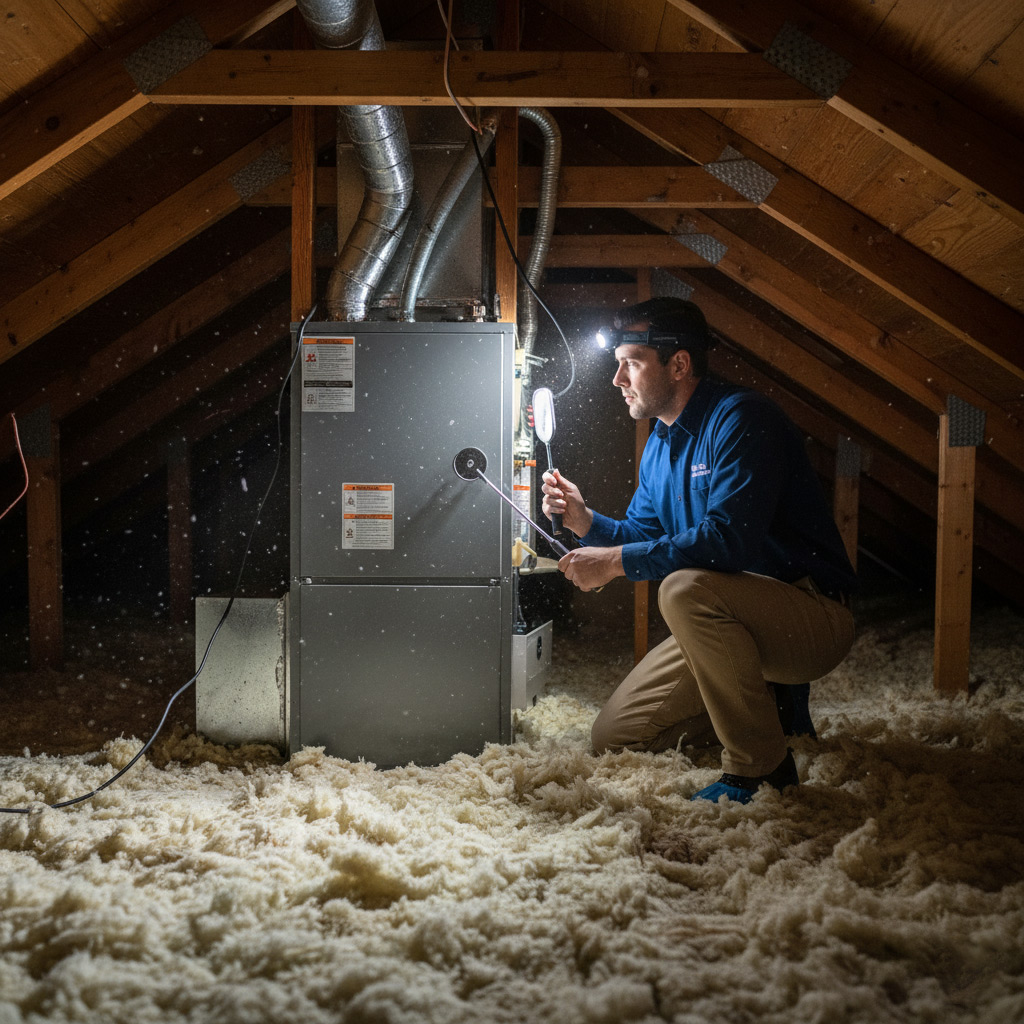
When to Call a Professional: Choosing the Right HVAC Contractor in Garden Grove
When the boiler starts spitting steam, making weird noises, or the heat drops out completely, it’s time to stop DIY and dial a pro. Ignoring these cues can turn a $200 fix into a $2,000 nightmare. A licensed technician brings tools and knowledge you simply don’t have in a garage.
Red Flags That Demand a Pro
- Persistent low pressure despite valve adjustments.
- Leaking water around the boiler base.
- Repeated error codes on the control panel.
- Any smell of gas or carbon monoxide.
If any of those show up, pick up the phone. Don’t gamble with safety or your wallet.
How to Vet a Contractor
- Check for a California C-46 boiler license—no license, no job.
- Read recent Google and Yelp reviews from Garden Grove neighbors.
- Ask for a written estimate that breaks down labor, parts, and warranty.
- Confirm they carry liability insurance and workers’ comp.
Good contractors will gladly show proof. Transparency equals trust.
Local Edge: Garden Grove Specialists
Choose a company that knows the local climate and code quirks. They’ll size your system right for the coastal humidity and summer heat spikes. A local crew can also respond faster when a midnight shutdown hits.
Look for a service contract that includes annual tune‑ups. Prevention beats panic every time. A solid warranty on parts and labor is the final seal of confidence.
Case Study: How a Simple Boiler Repair Saved a Garden Grove Homeowner $1,200
The Situation
Mike, a longtime Garden Grove resident, noticed his boiler sputtering and the heat bill creeping up in December. He assumed the issue was a failing heat exchanger and called a pricey “emergency” service. The technician spent an hour listening, then pointed to a *tiny pressure valve* that was stuck open.
The Fix
After a quick adjustment and a replacement seal—both under $80—the boiler’s pressure stabilized at the optimal 12 psi. The tech also cleaned the burner and flushed out a few inches of sediment that had been choking efficiency.
- Pressure valve adjustment: $45
- Seal replacement: $30
- Burner cleaning & flush: $25
The Payoff
Within two weeks, Mike’s heating bill dropped by $150, and the boiler ran silent for the rest of the season. Over a typical winter, that translates to roughly $1,200 in avoided costs compared to a full‑system replacement. Bottom line: a $100 tweak saved a homeowner a four‑figure expense.
Final Words: Keeping Your Boiler Efficient and Your Bills Low
Think of your boiler like a high‑performance car. Regular check‑ups keep the engine humming, and a quick tune‑up can shave dozens off your monthly energy bill. In Garden Grove, the humidity and temperature swings make it even more critical to stay ahead of wear and tear.
Three habits that lock in savings
- Check the pressure gauge monthly; aim for the sweet spot printed on the unit.
- Bleed radiators at the first sign of cold spots—no more wasted heat.
- Schedule a professional Boiler Repair inspection before the first frost.
When you pair these habits with a smart thermostat, you get a two‑for‑one power move. The thermostat learns your schedule, cuts the heat when you’re out, and tells you when the boiler is working harder than it should. That data lets you spot inefficiencies before they become costly repairs.
People Also Ask
What are the most common boiler problems faced by Garden Grove homeowners?
Most Garden Grove boilers experience pressure loss, noisy operation, and water leaks due to aging components. These issues often stem from mineral buildup in the system and worn‑out pressure valves.How can I tell if my boiler’s pressure valve needs adjustment?
If the pressure gauge consistently reads below 1 psi or the boiler cycles on and off frequently, the pressure valve likely needs inspection. Adjusting it yourself can restore proper pressure and prevent costly repairs.Is it safe to perform a DIY boiler diagnostic checklist?
Yes, homeowners can safely check the thermostat, pressure gauge, and pilot light before calling a professional. However, any work involving gas lines or internal components should be left to licensed technicians.When should I hire a professional HVAC contractor for boiler repair in Garden Grove?
Call a professional if you notice gas odors, continuous leaks, or if the boiler fails to ignite after basic troubleshooting. Certified contractors have the tools and expertise to handle complex issues safely and efficiently.What cost savings can I expect from regular boiler maintenance?
Routine maintenance can improve efficiency by up to 15%, lowering monthly energy bills. It also reduces the likelihood of major failures, potentially saving homeowners hundreds of dollars in emergency repairs.
Garden Grove HVAC brings over 15 years of residential and commercial climate‑control expertise to the Garden Grove community. Their certified technicians specialize in energy‑efficient heating, cooling, and indoor‑air‑quality solutions tailored to local homes and businesses. Committed to responsive service, they prioritize comfort and reliability for every client.
Need HVAC?
We provide rapid, reliable HVAC installation, repair, and maintenance for homes and businesses in Garden Grove and nearby ZIPs (92840, 92841, 92843, 92844, 92845). Our team restores comfortable indoor climates quickly, often the same day.
Get HVAC Quote