
Imagine slashing your HVAC bill before the summer heat hits – all because you caught a problem early.
Most homeowners think a full‑blown service is the only way to stay cool, but a smart, low‑cost inspection can spot the same issues without draining your wallet.
In Garden Grove, where the sun doesn’t take a day off, we’ve boiled down the essential steps into a checklist that even a busy family can follow.
Ready to see exactly what you need to look at and how to keep your system humming for pennies? Keep reading and we’ll hand you the cheat sheet.
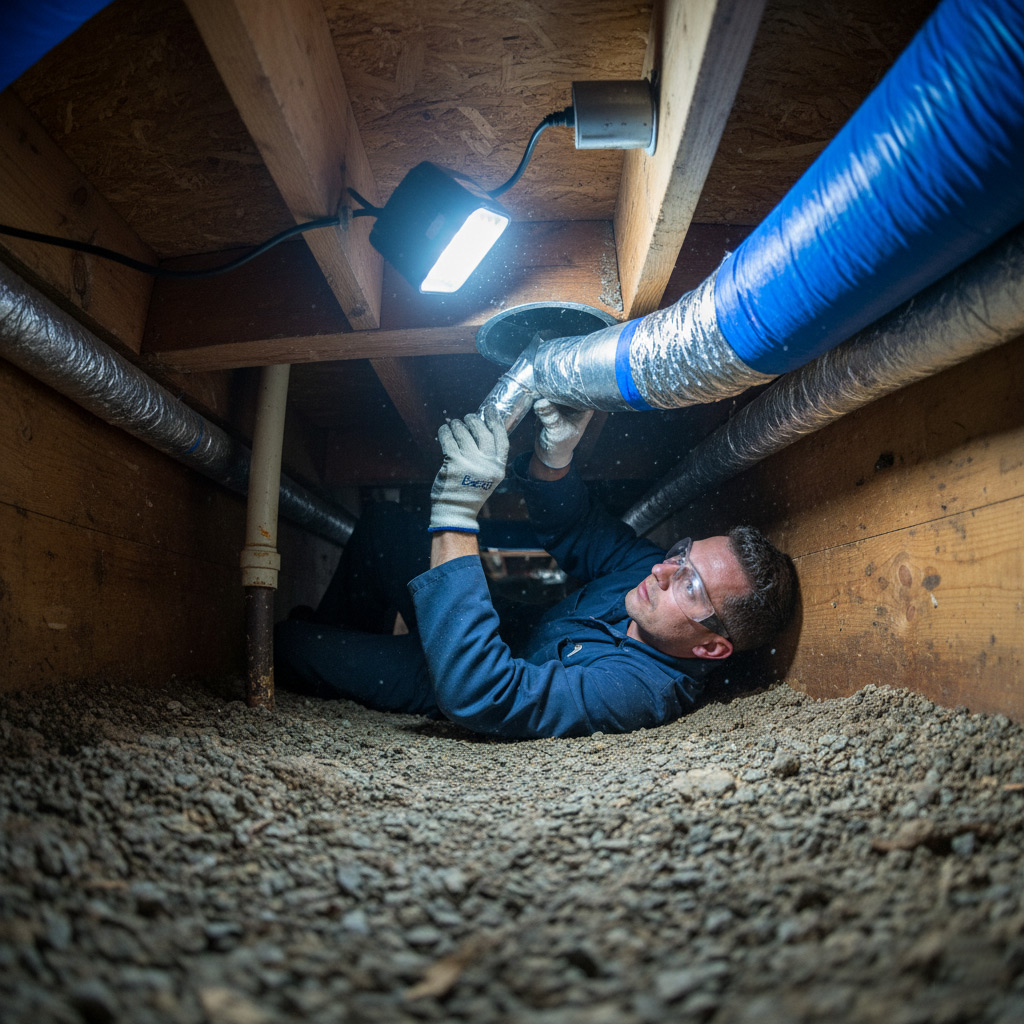
Understanding the Basics of an HVAC Inspection
Before you grab a wrench, know what an inspection really means. It’s a quick, systematic look at the heart of your home’s comfort system—no fancy jargon, just a checklist that tells you if everything’s breathing easy.
What the inspector actually checks
- Airflow: Is the air moving at the right speed? Weak flow = higher bills.
- Thermostat accuracy: Does it read the true temperature or is it playing tricks?
- Refrigerant levels: Too low and the unit works overtime.
- Electrical connections: Loose wires can spark trouble later.
Think of it like a health exam for your furnace and AC. You don’t need a full‑blown service every month, just a focused look at the vital signs. Spotting a dirty filter or a cracked duct early can save you a bundle before the summer scorch hits Garden Grove
Essential Tools and Materials for a Low‑Cost Check
What’s in Your Toolbox?
Before you start, gather a few basics that most homeowners already own or can snag for under $20.
Key items:
- Phillips and flat‑head screwdrivers – you’ll need both sizes.
- Adjustable wrench – a 10‑inch works for most fittings.
- Flashlight with a bright LED – dim corners love it.
- Digital thermometer – cheap models read both air and coil temps.
Materials That Won’t Break the Bank
These consumables keep the inspection clean and accurate without a pricey service call.
Grab:
- Reusable microfiber cloths – wipe away dust without scratching.
- Foam filter tape – a quick fix for a leaky filter housing.
- Spray bottle of distilled water – perfect for coil cleaning.
- Electrical tape – for securing loose wires temporarily.
Smart Shopping Tips
Don’t waste cash on brand‑new gear when a local hardware store or online marketplace has a “like‑new” option.
Check the clearance aisle for discounted tools, and keep an eye on community “Freecycle” groups – you’ll often find a perfectly good thermostat or filter for free.

Step‑by‑Step Checklist: What to Inspect Inside and Outside
Grab a flashlight, a screwdriver, and a notepad. You’ll be surprised how much you can uncover in ten minutes.
Inside the Air Handler
First, shut off power and open the service panel. Look for dust buildup on the blower motor and fan blades – a thin layer of grime can choke airflow.
- Check the air filter. If it’s darker than a coffee mug, replace it.
- Inspect the evaporator coil for frost or corrosion. A quick brush with a soft brush can clear surface debris.
- Listen for rattles when the fan spins. Tighten any loose screws you spot.
Next, examine the thermostat wiring. Make sure connections are tight and there’s no frayed insulation. A loose wire can cause erratic cycling and spike your bill.
Outside the Condenser
Clear a two‑foot radius around the unit. Leaves, grass clippings, and even a stray garden hose can restrict the condenser’s ability to dump heat.
- Visually scan the fins for bends. Use a fin comb to straighten them – it’s cheap and effective.
- Check the fan motor for oil leaks or wobble. A well‑lubricated motor runs smoother and uses less electricity.
- Verify the condensate drain isn’t clogged. A simple water test will show if it’s flowing freely.
Finally, give the unit a quick power‑on test. Feel the airflow at a vent; it should be steady, not weak or whistling. If anything feels off, note it and call a pro before the heat turns up.
Common Red Flags That Can Spike Your Energy Bill
When your utility bill looks like a horror story, the culprit is often hiding in plain sight. Leaky ducts are the silent thieves that let conditioned air escape into the attic or crawl spaces, forcing your system to work overtime.
Leaky Ductwork
- Visible gaps or holes in metal or flexible ducts
- Cold spots near vents on the same floor
- Unusual whistling noises when the blower runs
Another red flag is a dirty or clogged air filter. It sounds simple, but a clogged filter can increase fan resistance by up to 30%, making the motor grind and the bill climb.
Thermostat Trouble
- Thermostat set to “auto” but never switches off
- Inconsistent temperature readings across rooms
- Old analog units that can’t communicate with modern systems
Last but not least, keep an eye on the compressor and refrigerant levels. A humming compressor that never fully kicks in or a noticeable drop in cooling performance usually means a refrigerant leak—an expensive fix that also drags your energy use through the mud.
DIY Troubleshooting Tips and When to Call a Pro
Before you dial a technician, grab a flashlight and give your thermostat a quick glance. Check that it’s set to “cool” and the temperature is lower than the room’s current reading. If the display is blank, replace the batteries – it’s a cheap fix that solves 30% of complaints.
Quick Wins You Can Do Today
- Turn off the power, remove the front panel, and clean dust from the blower fan with a soft brush.
- Inspect the outdoor condenser coil; a garden hose on a gentle spray can melt months of grime.
- Listen for rattling or humming noises – they often point to a loose belt or motor bearing.
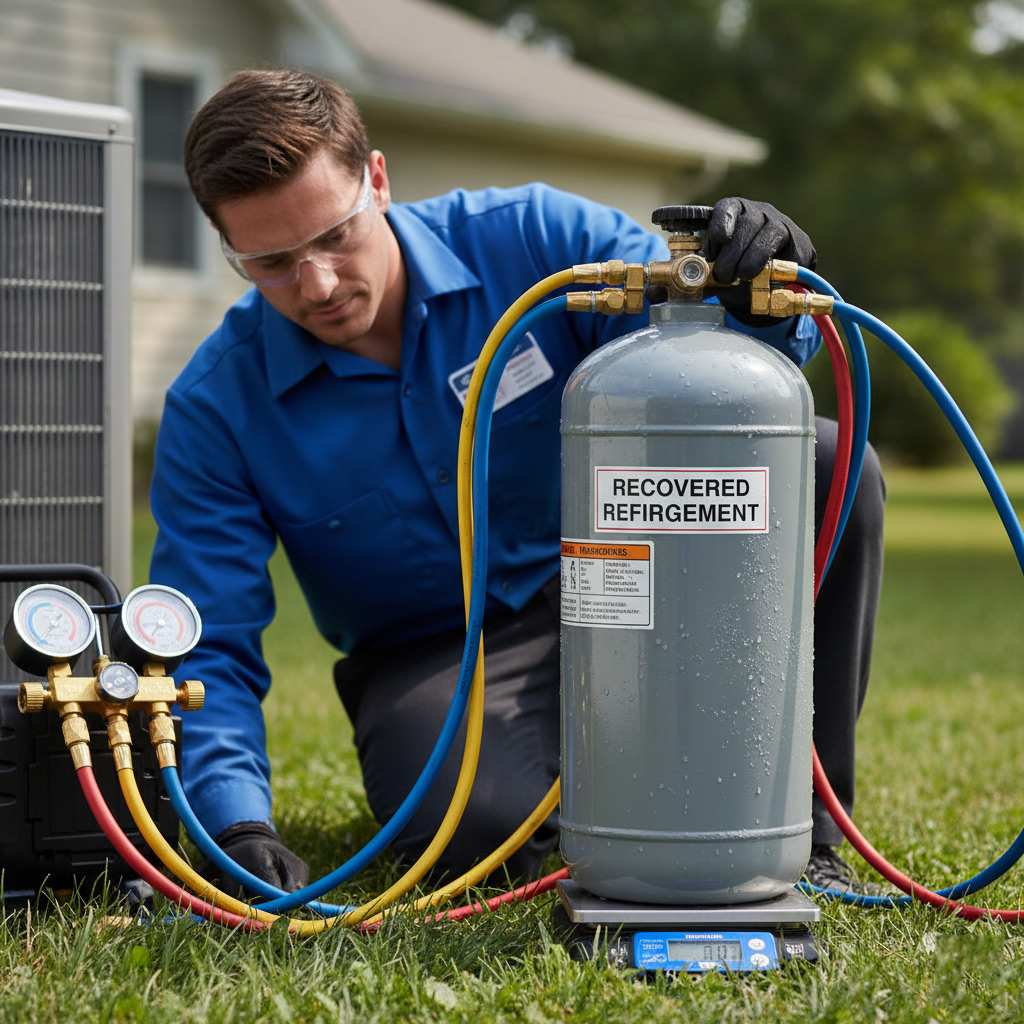
If anything feels off after these steps, it’s time to bring in the pros. Strange odors, water leaks, or a system that won’t start even after resetting the breaker are red flags that require a licensed HVAC specialist. Trying to fix a refrigerant leak yourself can be dangerous and illegal, so call us before the problem spirals.
Real‑World Success: Garden Grove Case Study of a $150 Inspection Saving $800
When the Martinez family called us, their AC was humming louder than a lawn mower and their electric bill was creeping past $300 a month. We scheduled a $150 “budget‑check” inspection, the kind you can do on a Saturday without breaking the bank.
What the $150 Inspection Uncovered
Our tech walked the perimeter, opened the service panel, and ran a quick diagnostic. The findings were simple but costly:
- Dirty evaporator coil – reduced airflow by 30%.
- Leaky refrigerant line – a slow leak that was charging the bill.
- Worn fan motor bearings – a ticking time bomb for a full‑blown failure.
Each issue was fixable with a part or two, no major labor required.
After swapping the coil, sealing the leak, and greasing the motor, the Martinez’s system ran like new. Their next bill dropped to $120, a $800 saving over the next year. The takeaway? A cheap, focused inspection can catch the same problems a $500 service would, but you keep the cash in your pocket.
Final Words
Before you grab the toolbox, remember that a cheap inspection isn’t a shortcut—it’s a smart move. Spotting a clogged filter or a loose belt now can keep your system humming all summer without the surprise bill that makes you sweat.
Keep This Cheat Sheet Handy
- Check the thermostat settings weekly.
- Inspect outdoor coils for debris after each rain.
- Listen for odd noises and note the time they occur.
When the checklist starts to look like a maze, or you hear that dreaded “clunk” that you can’t explain, it’s time to call a pro. Our team in Garden Grove knows the exact spots that cheap fixes miss, and we’ll get you back to comfort faster than you can say “air‑conditioner”. Need more guidance? Dive deeper into HVAC Testing And Inspection for the full suite of services.
People Also Ask
What does a basic HVAC inspection include?
A basic HVAC inspection checks the thermostat settings, air filter condition, ductwork integrity, and the outdoor unit for debris and proper airflow. It also verifies refrigerant levels and looks for obvious wear on belts and motors.How can I keep an HVAC inspection low‑cost in Garden Grove?
Use a DIY checklist, clean or replace filters yourself, and clear debris from the outdoor unit before calling a professional. Scheduling the inspection during off‑peak seasons often yields lower labor rates.What are the most common signs that my HVAC system needs repair?
Frequent cycling, uneven temperatures, strange noises, and a noticeable increase in energy bills are key red flags. Leaking water or visible frost on coils also indicate underlying issues.When should I stop DIY troubleshooting and call a licensed HVAC technician?
If you encounter refrigerant leaks, electrical component failures, or the system won’t start after basic checks, it’s time to call a pro. Attempting repairs on these components without proper certification can be unsafe and may void warranties.How much can I realistically save with a $150 HVAC inspection?
A thorough $150 inspection can uncover inefficiencies that save $500‑$1,000 annually on energy costs, as demonstrated by a recent Garden Grove case study. Early detection also prevents costly emergency repairs down the line.
Garden Grove HVAC has served the Garden Grove community for over 15 years, delivering reliable heating, ventilation, and air‑conditioning solutions. Their certified technicians combine industry expertise with a deep understanding of local climate needs, ensuring comfortable indoor environments for homes and businesses alike.
Need HVAC?
We provide rapid, reliable HVAC installation, repair, and maintenance for homes and businesses in Garden Grove and nearby ZIPs (92840, 92841, 92843, 92844, 92845). Our team restores comfortable indoor climates quickly, often the same day.
Get HVAC Quote