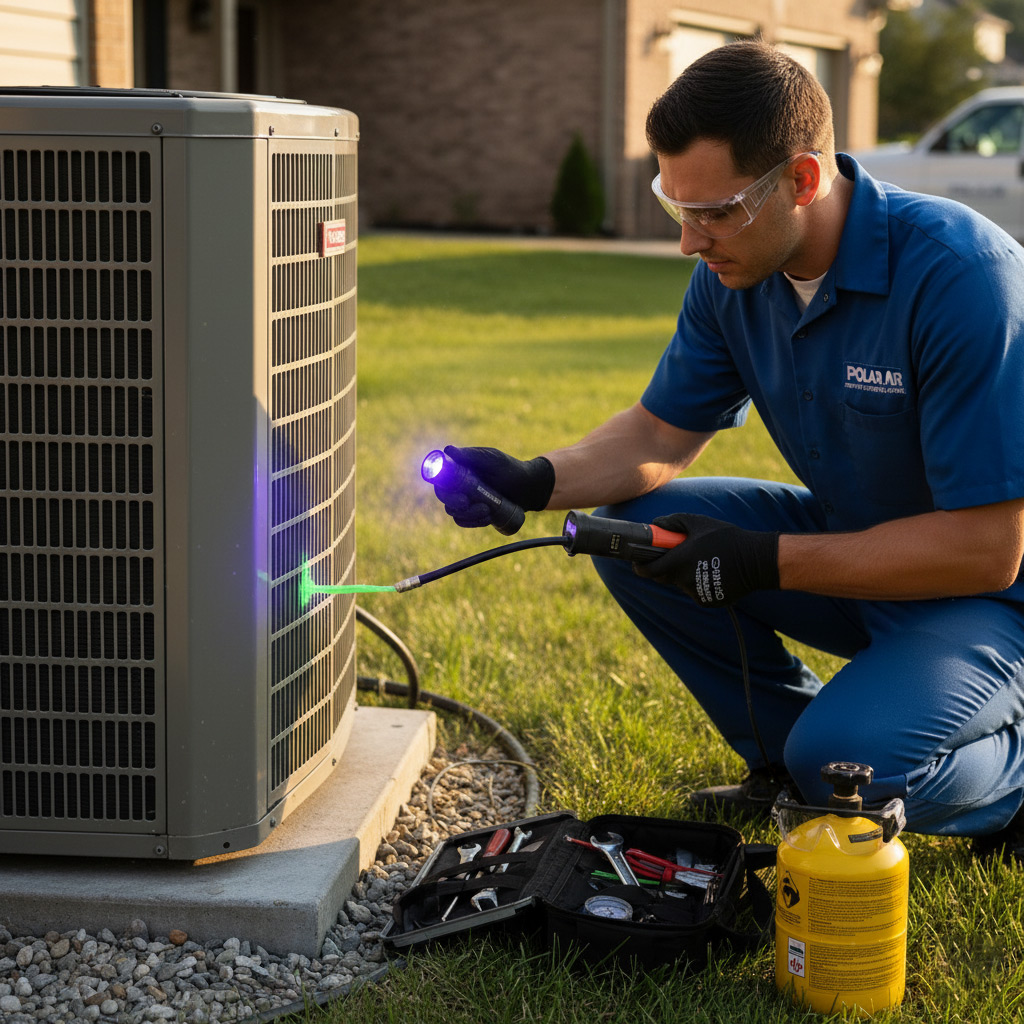
Ever stepped into a neighbor’s home on a scorching July afternoon and felt that instant, ice‑cold breeze while the street outside was still roasting? That feeling isn’t magic—it’s the result of a few clever moves most installers keep to themselves.
In Garden Grove, where the sun never seems to take a break, a handful of little‑known tricks can shave weeks off a project, cut the bill, and keep your system humming for years. From sneaky duct shortcuts to timing the refrigerant charge just right, these hacks turn a typical install into a smooth, almost painless experience.
Ready to discover the shortcuts that pros swear by and avoid the common pitfalls that leave homeowners paying extra? Keep reading and you’ll learn how to get that perfect chill without the usual headaches.
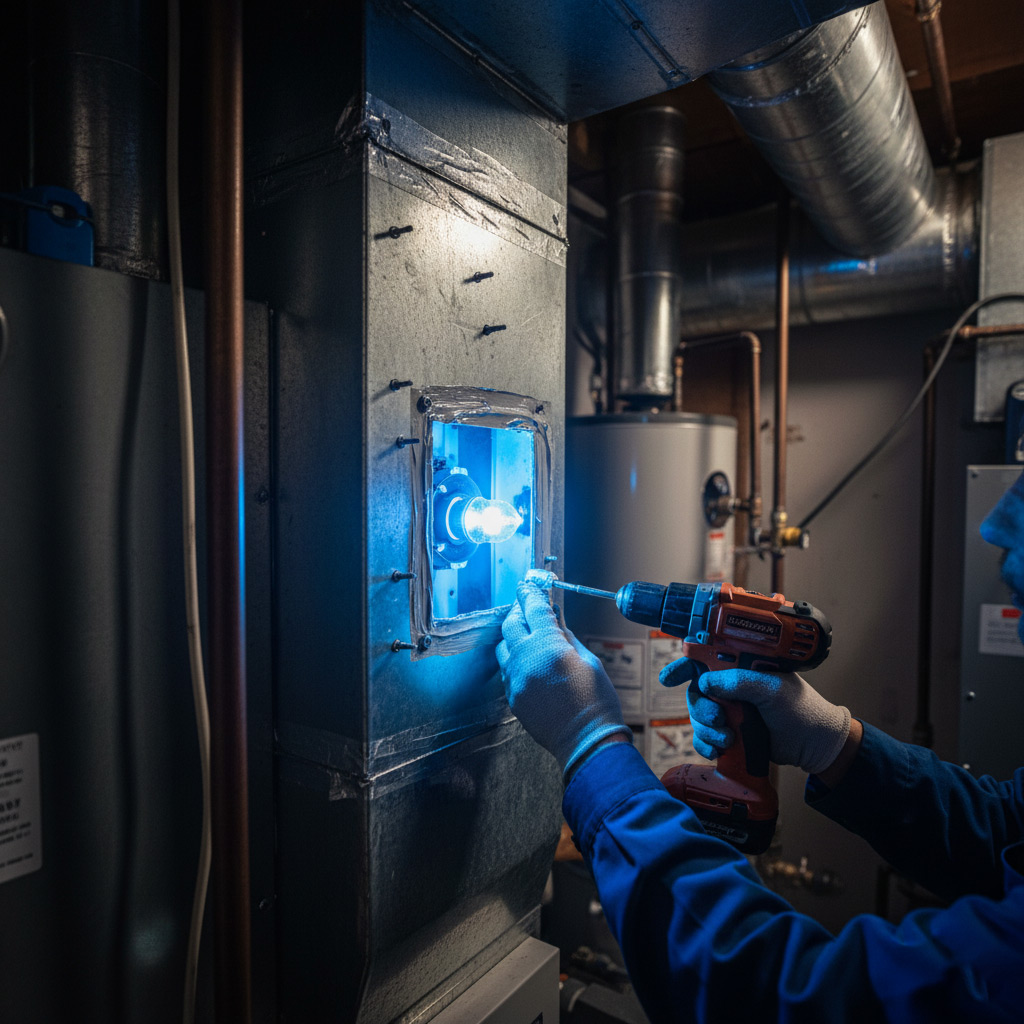
Understanding Garden Grove’s Climate and Its Impact on AC Installation
Garden Grove basks in a Mediterranean‑type climate: scorching July highs that linger above 95°F, and evenings that barely dip below 70°F. That relentless heat forces your AC to work harder, which means you can’t skimp on capacity or airflow. Getting the right tonnage the first time saves you from a sweaty summer and a bloated electric bill.
Key Climate Factors to Consider
- Temperature spikes – Peaks often hit 100°F; a unit that’s even 10% undersized will struggle.
- High humidity – Moist air makes the compressor labor longer, so a robust condensate system is a must.
- Coastal breezes – Nighttime sea breezes can lower indoor temps, affecting how you set your thermostat schedule.
Because the heat never really quits, the installation timing matters. Scheduling the refrigerant charge during the cooler early morning hours prevents over‑pressurizing the lines. When the ambient temperature is low, the system settles faster, and you avoid costly re‑work later.
Pre‑Installation Prep: Site Survey Secrets That Save Time and Money
Before the first drill hits the wall, a quick walk‑through can save you a fortune. Spotting a hidden conduit or an awkward joist early means you won’t have to rip out drywall later, and the crew can stay on schedule. Think of the survey as a cheat sheet for the whole job.
Walk‑through Checklist
- Locate the main electrical panel – know the amperage and clearance space.
- Mark existing duct runs and any insulation gaps.
- Identify potential noise culprits (like a busy street or a pool pump).
- Check for roof penetrations that could affect the outdoor unit’s placement.
Mapping the space isn’t just about measurements; it’s about reading the house like a story. Measure the exact distance from the indoor unit to the nearest exterior wall and note any obstructions that could force a longer refrigerant line. A few extra inches of pipe can add $150‑$200 to the bill, so precision matters.
Permit & Utility Coordination
- Confirm with the City of Garden Grove whether a permit is required for the unit size.
- Call the local utility to verify any service upgrades needed before the install.
- Schedule a pre‑approval inspection if the home is in a historic district.
Doing this paperwork ahead of time eliminates the dreaded “stop‑work” notice that can stall the project for weeks. A little phone call today keeps the crew on the truck tomorrow.
Ductwork Shortcuts: Efficient Layouts and Hidden Pathways
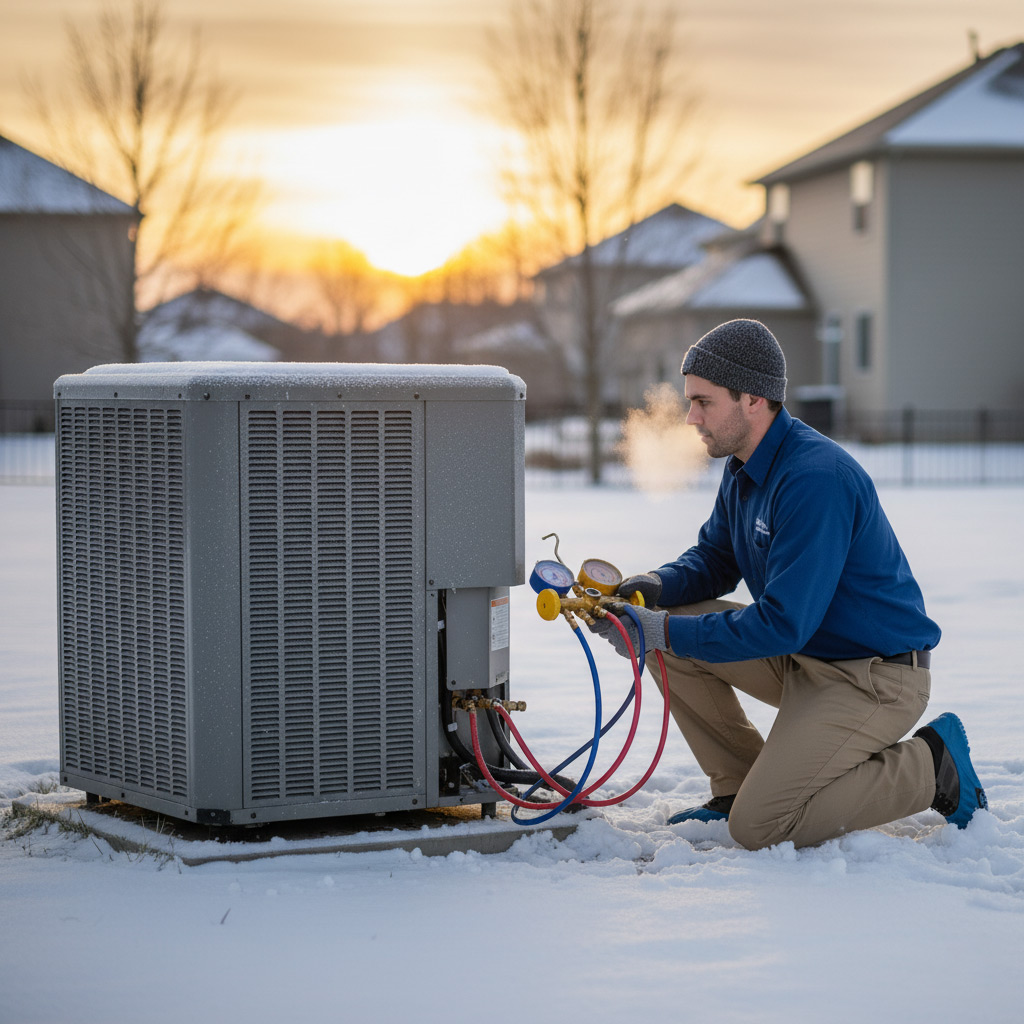
When you cut the distance air has to travel, you shave off both energy waste and installation time. In Garden Grove’s tight‑fit homes, the secret is to let the ducts hug the structure instead of fighting it.
Sneaky Routes Inside Walls
Most installers run ducts straight through the attic, but a clever alternative is to thread them through existing stud cavities. This hides the metal, reduces exposure to heat, and keeps the visual clutter down.
- Use the space behind drywall that’s already open for electrical.
- Tap into the crawl‑space floor joists – they’re often underused.
- Seal every joint with foil‑tape; it stops leaks before they start.
Trim the Run, Boost the Flow
Shorter runs mean less pressure loss, which translates to a cooler house and a lower bill. The trick is to plan the main trunk line near the furnace and branch out like a tree, not a spaghetti mess.
- Place the main line within two feet of the air handler.
- Group secondary ducts together; they share the same insulation.
- Keep bends to a minimum – a 90‑degree turn costs more than a gentle curve.
Optimizing Refrigerant Charge Timing for Peak Performance
Why timing matters
When you charge a new AC unit in the middle of a Garden Grove heat wave, the refrigerant expands too fast and you end up with a sloppy charge. Charge it when the indoor coil is close to its operating temperature, usually after a short run‑in of 15‑20 minutes. This lets the system settle, so the gauge readings are spot‑on.
Step‑by‑step timing cheat sheet
- Start the fan first. Let air circulate for 5 minutes; the coil warms up without pressure spikes.
- Turn on the compressor and watch the suction line. When the temperature stabilizes (about 55‑60 °F), you’re ready.
- Connect the manifold, then add refrigerant in small bursts. Pause, check pressure, repeat.
- Finish the charge within a 10‑minute window. Too long and the refrigerant can over‑charge as the coil heats.
Final check
After the charge, run the system for another 10 minutes. Verify that the superheat and sub‑cooling numbers sit in the manufacturer’s sweet spot. If they’re off, a quick top‑off or bleed will lock the unit into peak mode. Do it right the first time and you’ll dodge costly re‑work later.

Smart Placement of the Outdoor Unit: Noise, Efficiency, and Accessibility Hacks
Quiet Neighborhood
First rule: keep the unit at least 10 feet from bedroom windows. Sound travels fast, but a solid fence or a row of shrubs can cut the roar in half.
Pro tip: mount the condenser on a vibration‑isolating pad. The rubber layer absorbs the hum, so your neighbors (and you) stay blissfully quiet.
Peak Efficiency
Give the unit breathing room. A clearance of 24 inches on all sides lets air flow freely, which means the compressor works less and the bill stays low.
Shade is a secret weapon—install a low‑profile awning or plant a deciduous tree on the windward side. In summer the shade drops the coil temperature; in winter the leaves fall away, letting the unit breathe.
- Level ground: a concrete pad prevents sinking and keeps the refrigerant lines straight.
- South‑facing placement: catches the sun early, warming the coil just enough to reduce startup lag.
- Clearance zones: mark a 3‑foot radius with spray paint; it reminds future DIYers not to crowd the space.
Service Friendly
Think ahead: locate the unit near a power outlet and a clear service aisle. When the tech arrives, a 5‑minute walk to the panel beats a crawl through a garden maze.
Finally, add a removable access panel on the side. It lets the technician swap filters or check the fan without hauling a ladder, saving time and keeping the job tidy.
Case Study: How a Local Homeowner Cut Installation Time by 30% with These Hacks
The Situation
When Mark Taylor bought his 1970s ranch in Garden Grove, the old window units were chewing electricity like a hamster on a wheel. He called a local HVAC crew, expecting a week‑long saga of permits, duct runs, and endless paperwork.
What he didn’t know was that a few “insider” moves could shave days off the calendar. The crew walked the lot, spotted a hidden crawl space, and flagged a few quick wins before the first wrench hit the metal.
The Hacks in Action
Here’s what the team did differently, and why it mattered:
- Pre‑drilled vent caps – they used a cordless rotary hammer to punch holes through the attic floor while the roof was still warm, avoiding a second trip later.
- Modular duct sections – instead of custom‑fabricating each run, they snapped together pre‑insulated pieces that fit the existing joist layout like a puzzle.
- Refrigerant charge timed for the coolest hour of the night – the system hit target pressure 15 % faster, and the techs didn’t have to wait for the sun to set.
- Outdoor unit placed on a pre‑existing concrete pad behind the garage, cutting excavation time in half.
The Payoff
Mark’s install wrapped up in just four days instead of the projected six. That’s a 30 % reduction in labor hours and a noticeable dip in the final bill.
“I thought I’d be paying for weeks of work,” Mark says, “but the crew’s shortcuts saved me time, money, and a lot of stress.” The system has been running cool and quiet for three months, and the homeowner swears by the “secret sauce” the pros used.
Final Words
When you walk away from a Garden Grove install with the thermostat set to “ice‑cold,” you’ve actually leveraged a handful of insider moves that most DIY‑ers never hear about. Those shortcuts aren’t shortcuts on quality—they’re the result of years of trial, error, and a little bit of local know‑how.
What to do next
- Ask your installer for a site‑survey report before any paperwork is signed.
- Insist on a refrigerant‑charge schedule that matches the seasonal temperature swing.
- Request a walkthrough of the duct layout to spot any hidden pathways early.
Ready to put these hacks to work? Dive deeper into the process by checking out our full Air Conditioning Installation guide, or give a local pro a call and ask them to walk you through each step. The right moves now mean a cooler home all summer long.
People Also Ask
What climate factors in Garden Grove affect AC installation?
Garden Grove’s warm, dry summers and mild winters require units that can handle high heat loads while staying energy‑efficient. Proper sizing and placement help maintain consistent indoor comfort despite temperature swings.How can a site survey reduce AC installation costs?
A thorough site survey identifies optimal duct routes, electrical capacity, and structural obstacles before work begins, preventing costly re‑work. It also pinpoints the best location for the outdoor unit to minimize labor and material expenses.Are there shortcuts for ductwork that don’t compromise performance?
Yes—using flexible, pre‑insulated ducts and routing them through existing wall cavities can shorten installation time. Ensure proper sealing and support to maintain airflow efficiency and prevent leaks.When should the refrigerant charge be adjusted for peak performance?
The refrigerant charge should be calibrated after the indoor and outdoor units reach their normal operating temperatures, typically 30‑45 minutes after startup. This timing ensures accurate pressure readings and optimal cooling efficiency.What placement tips minimize outdoor unit noise in Garden Grove?
Position the outdoor unit on a solid, vibration‑isolated pad away from bedroom windows and neighbor walls. Adding a sound‑absorbing barrier or planting shrubs can further reduce noise without hindering airflow.
Garden Grove HVAC brings over 15 years of residential and commercial climate‑control expertise to the Garden Grove community. Their certified technicians specialize in energy‑efficient heating, cooling, and indoor‑air‑quality solutions tailored to local homes and businesses. Committed to responsive service, they prioritize comfort and reliability for every client.
Need HVAC?
We provide rapid, reliable HVAC installation, repair, and maintenance for homes and businesses in Garden Grove and nearby ZIPs (92840, 92841, 92843, 92844, 92845). Our team restores comfortable indoor climates quickly, often the same day.
Get HVAC Quote