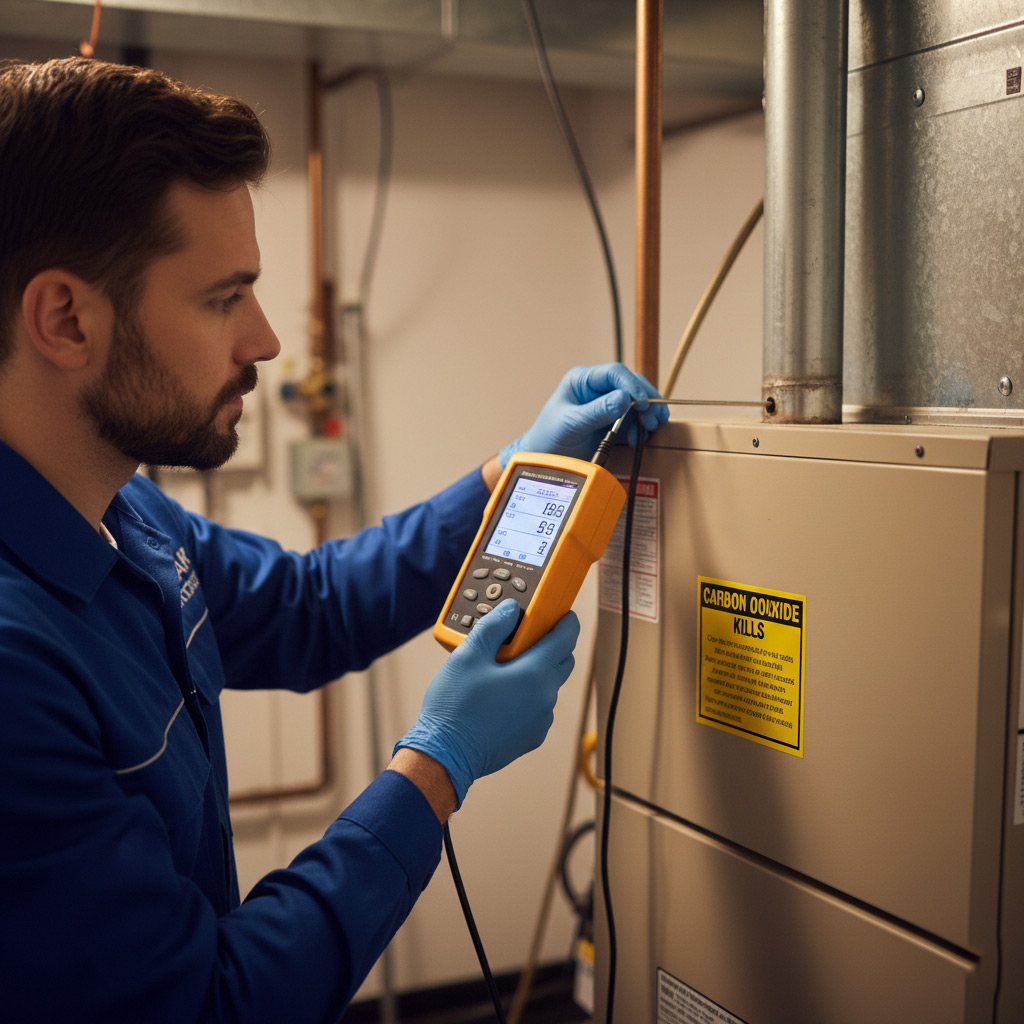
The moment your AC starts coughing like a smoker on a cold morning, you’ve got a problem that won’t wait for the heatwave to roll in.
Garden Grove’s summer isn’t forgiving—if your system is already wheezing, you’ll feel the sting of sweltering rooms and sky‑high bills before you know it. Spotting the subtle clues now can save you from a full‑blown breakdown when the sun’s at its peak.
Read on and you’ll discover the exact symptoms to watch for, plus the quick fixes that keep your home cool and your wallet happy.
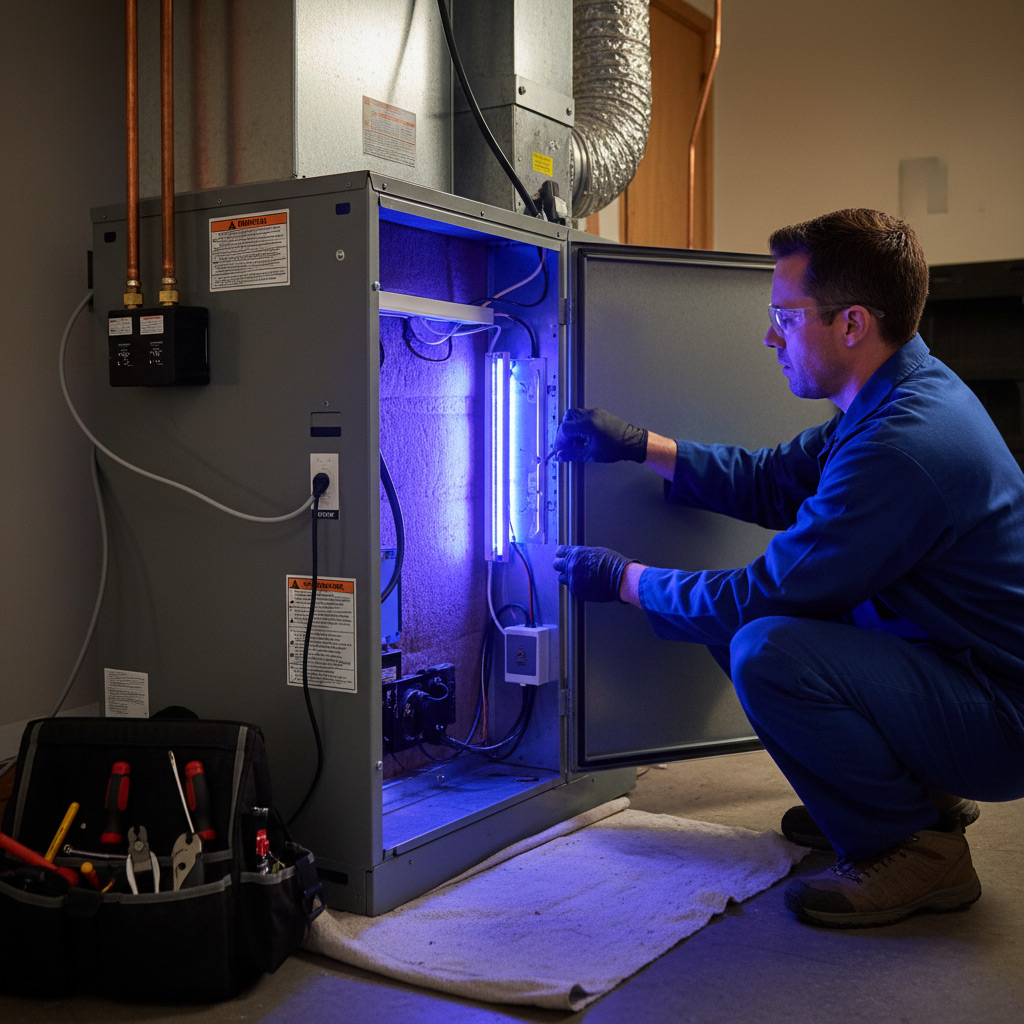
Early Warning Signs Your HVAC Is About to Fail
When the air feels like a lazy draft instead of a cool blast, the blower is already losing its edge. A sudden drop in airflow is a red flag that the motor or filter is choking. Catch it early and you’ll avoid a full shutdown when the sun hits its peak.
Sounds That Mean Trouble
Rattles, squeaks, or a whine that changes pitch are not background noise—they’re the system’s SOS. Pay attention to any new tone when the fan kicks on. These clues usually point to a loose belt, a failing motor, or a refrigerant issue.
- Buzz that gets louder over time
- Clanking during startup
- Hissing that never stops
Thermostat misbehavior and uneven room temps are the next warning signs. If the dial jumps a few degrees on its own, the sensor is confused and the unit may run nonstop. Spots that stay warm while others are cool? That’s a sign of low refrigerant or a blocked duct. Address these symptoms now before you’re stuck sweating in August.
DIY Diagnostic Checks: What Homeowners Can Test Right Now
First, grab your thermostat and make sure it’s set to “cool” with the fan on “auto.” Turn the temperature a few degrees lower than the current room temp and listen for the unit to kick on. If the AC never responds, you’ve likely got a power or wiring issue that needs a pro’s eye.
Power and Airflow Checks
Before you call anyone, verify the basics. A quick visual sweep can reveal a lot.
- Confirm the breaker hasn’t tripped – flip it off and on.
- Check the outdoor condenser for debris; a pile of leaves can choke airflow.
- Inspect the indoor air filter; a clogged filter reduces efficiency and can cause the system to overheat.
Listen and Feel
Turn the system on and pay attention to the sounds and temperatures.
- Strange rattling or grinding? That’s a sign of loose parts or a failing motor.
- Cold air that feels weak or uneven? Your ducts might be leaking or the blower wheel could be dirty.
- Any foul odors, especially a burning smell, demand an immediate shut‑off and professional call.
Red Flags That Demand Immediate Professional Attention
When the thermostat screams “*freeze!*” but the air stays lukewarm, it’s not a glitch—it’s a warning. Ignore it and you’ll be paying for a full‑blown replacement later. In Garden Grove’s heat, every minute counts.
When to Call the Pros
- Frequent short‑cycling – the unit turns on and off every few minutes.
- Foul odors – burning, moldy, or chemical smells wafting from vents.
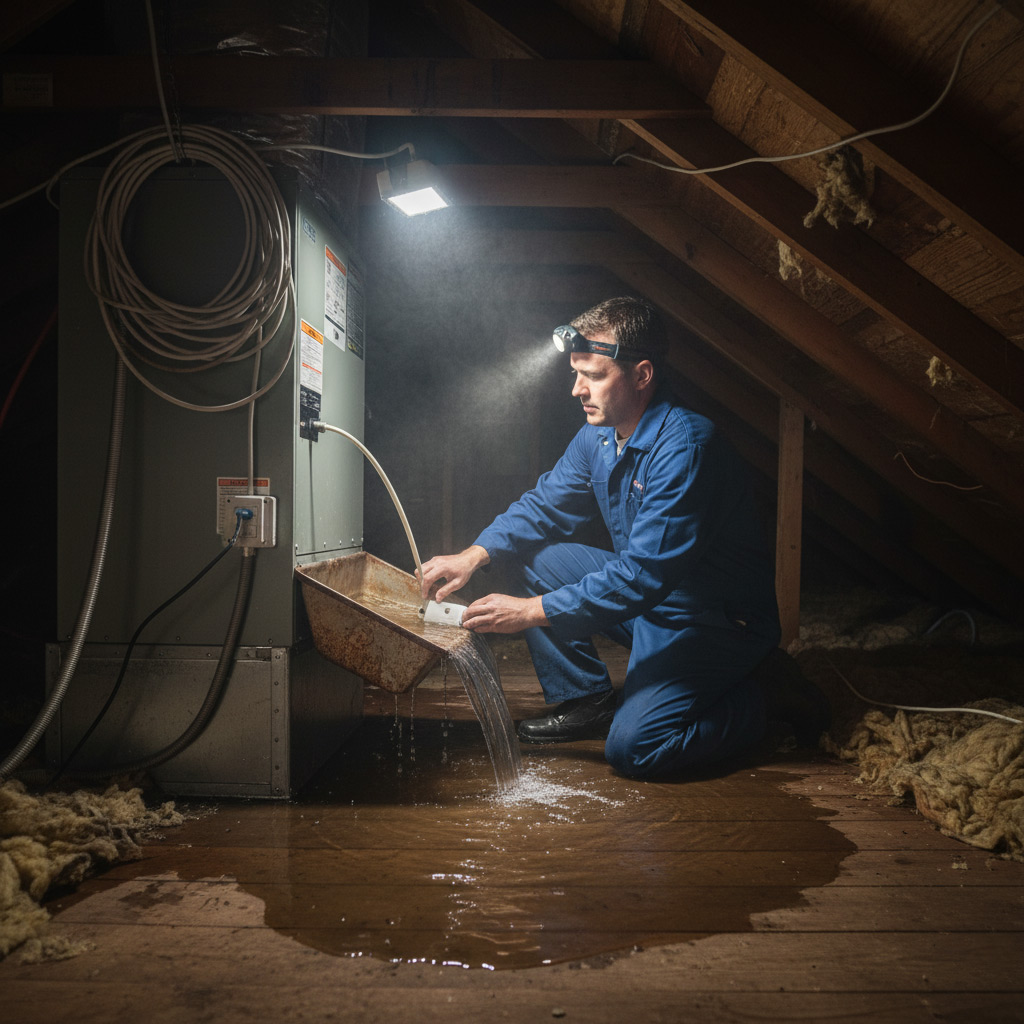
- Water pooling around the indoor unit or a soggy carpet.
- Visible frost on the evaporator coil despite a warm thermostat setting.
- Electrical sparks or tripping breakers when the system starts.
If any of these show up, pick up the phone now. A certified technician can diagnose hidden compressor issues, refrigerant leaks, or failing motors before the summer surge turns your home into a sauna.
Seasonal Maintenance Strategies Tailored for Garden Grove’s Climate
Know Your Weather Window
Garden Grove’s dry, scorching summer hits hard by June, so the sweet spot for a deep‑dive on your HVAC is early spring. Schedule a professional tune‑up before the mercury climbs, and you’ll dodge the rush‑hour repair fees.
While you’re at it, give the outdoor unit a quick visual sweep. Look for:
- Debris buildup – leaves, twigs, or sand can choke airflow.
- Loose or cracked condensate drain lines – a clogged line spells water damage.
- Corroded fins – a gentle brush can restore proper heat exchange.
Pre‑Summer Checklist
Once the unit looks clean, run a short test cycle. Listen for rattles, whines, or a weak blower. Those sounds are early warning bells.
Next, swap out the air filter. A high‑MERV filter catches pollen and dust that thrive in our coastal breezes, keeping the system humming efficiently.
- Check thermostat calibration – set it to “auto” and verify it hits the set temperature within 5 °F.
- Inspect refrigerant lines for oil stains – a sign of a leak that can cripple cooling.
- Seal any gaps around the unit’s base to keep critters out.
After‑Summer Reset
When September rolls around, give the system a quick post‑season audit. It’s cheaper to catch wear now than replace a compressor later.
Turn the fan to “on” for a few minutes each night; this dries the coils and prevents mold growth that loves our humid evenings.
- Re‑clean the outdoor coil – a light spray with a garden hose does the trick.
- Schedule a professional refrigerant level check – low charge means the unit worked overtime all summer.
- Update your service log – note any odd noises or temperature swings for the next technician.
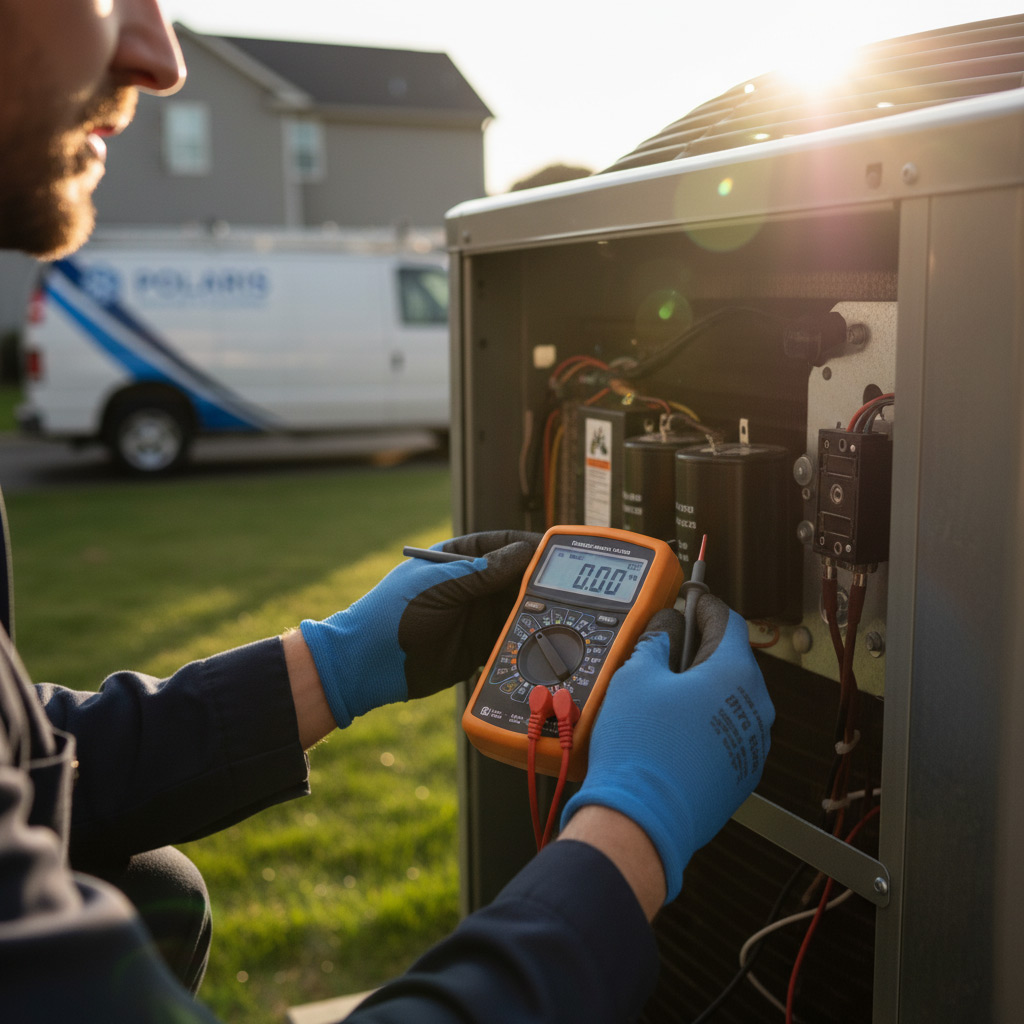
Boosting Energy Efficiency to Lower Bills Before the Heat Hits
Seal the Leaks, Save the Cash
Air that slips out of unsealed ducts is money flying out the window. Check every register and tape any gaps you find.
Quick fixes that pay off:
- Apply foil-backed duct tape to joints that look ragged.
- Install magnetic vent covers on unused openings.
- Wrap insulation around exposed pipe runs in the attic.
Smart Thermostat, Smarter Savings
A programmable thermostat can cut usage by up to 15% when you set it to rise a few degrees while you’re out.
Don’t forget the basics: replace the filter every 30 days, and wipe the outdoor coil when debris builds up.
Upgrade and Assist
When it’s time for a new unit, choose an ENERGY STAR model—those babies run cooler on less power.
Pair the AC with ceiling fans; they let you set the thermostat a notch higher without sacrificing comfort.
Case Study: Restoring a Garden Grove Home’s AC Before the Summer Surge
The Situation
When the Martinez family called, their 12‑year‑old split‑system was sputtering on a 78°F day. They’d noticed a faint “hissing” sound and a noticeable dip in airflow. The forecast called for a heatwave, so waiting wasn’t an option.
The Fix
Our tech arrived, ran a quick diagnostic, and found three culprits: a clogged evaporator coil, low refrigerant, and a failing blower motor capacitor. We tackled each issue in a single afternoon.
- Cleaned the coil with a low‑pressure foam spray – restored heat exchange efficiency.
- Recharged the system to the manufacturer’s spec – brought the temperature delta back to 20°F.
- Replaced the capacitor – eliminated the motor’s intermittent stutter.
The Payoff
Within two hours the indoor temperature settled at a comfortable 72°F, and the energy meter showed a 15% drop in usage. The Martinez home survived the summer surge without a single breakdown, and the family avoided a $1,200 emergency repair bill.
Final Words
Don’t wait for the thermostat to hit triple digits before you act. A quick call to a certified tech now can keep your system humming all summer and keep those surprise repair bills at bay.
Take Action Today
- Schedule a pre‑summer tune‑up before May 15.
- Swap out dirty filters every 30 days – it’s the cheapest fix you’ll ever make.
- Keep a maintenance log on your fridge; note any odd noises or temperature swings.
Need more troubleshooting tips? Dive deeper into our HVAC Troubleshooting hub for step‑by‑step guides and expert advice.
Stay Cool All Summer
Garden Grove’s heat doesn’t forgive laziness. By staying alert to early warning signs and committing to regular upkeep, you’ll enjoy consistent comfort and lower energy costs.
People Also Ask
What are the first signs that my HVAC system is failing in Garden Grove?
A noticeable drop in cooling performance, unusual noises, and frequent short cycling are early indicators. If you also see higher energy bills without increased usage, the system may be on the brink of failure.Can I test my HVAC system myself before calling a technician?
Yes, you can check the thermostat settings, replace or clean the air filter, and inspect the outdoor unit for debris or obvious damage. Running a simple temperature differential test (indoor vs. outdoor) can also reveal performance issues.When should I call a professional instead of attempting DIY fixes?
If you encounter refrigerant leaks, electrical component failures, or the unit won’t turn on at all, it’s time to contact a licensed HVAC technician. Ignoring these red flags can lead to costly repairs or unsafe conditions.How does Garden Grove’s climate affect HVAC maintenance needs?
The hot, dry summers and occasional coastal humidity require regular coil cleaning, refrigerant level checks, and proper drainage maintenance. Tailoring service schedules to these seasonal extremes helps prevent premature wear.Will improving my HVAC’s efficiency lower my summer energy bills?
Optimizing airflow, sealing duct leaks, and upgrading to a programmable thermostat can reduce energy consumption by up to 15%. These steps ensure the system runs efficiently when the summer heat arrives.
Garden Grove HVAC brings over 15 years of residential and commercial climate‑control expertise to the Garden Grove community. Their certified technicians specialize in efficient heating, cooling, and indoor‑air‑quality solutions tailored to local homes and businesses. Committed to reliable service, they prioritize prompt response and personalized care for every client.
Need HVAC?
We provide rapid, reliable HVAC installation, repair, and maintenance for homes and businesses in Garden Grove and nearby ZIPs (92840, 92841, 92843, 92844, 92845). Our team restores comfortable indoor climates quickly, often the same day.
Get HVAC Quote