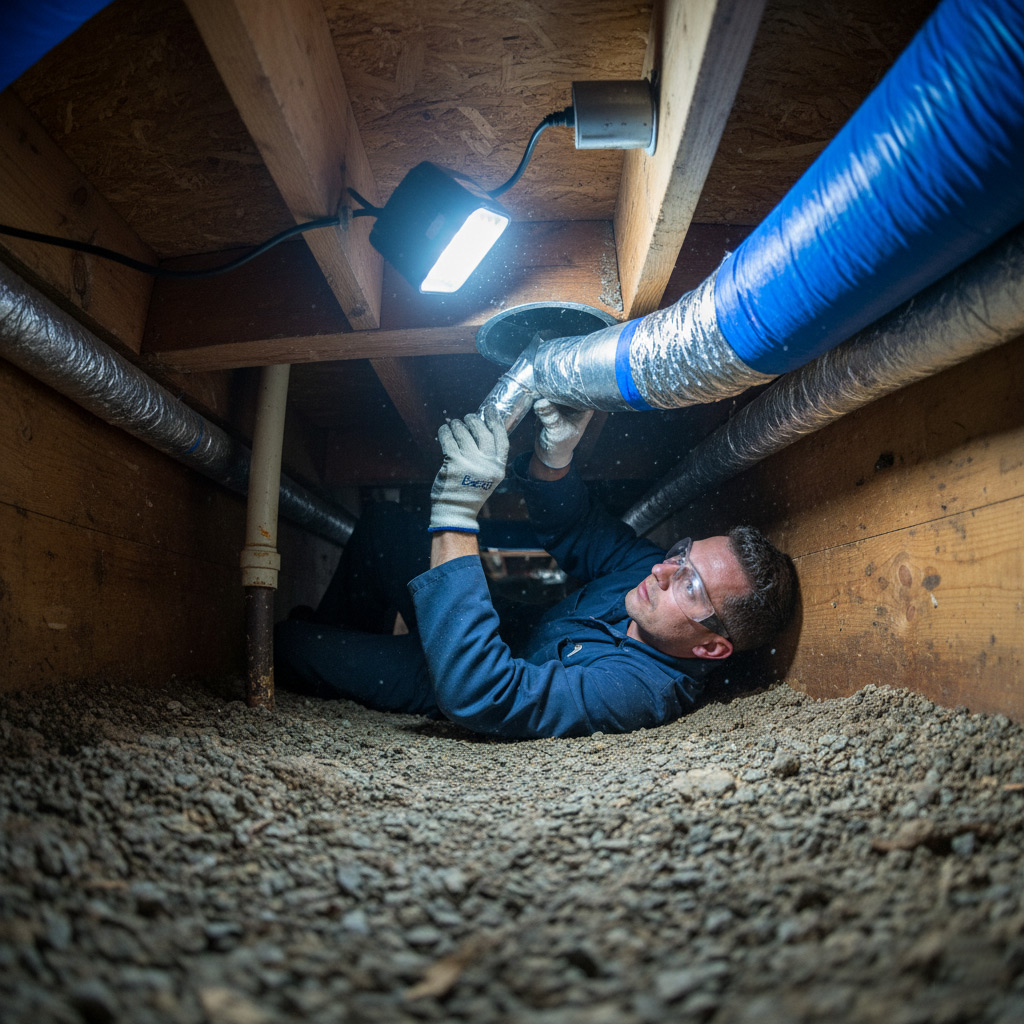
Imagine your thermostat flashing red on a sweltering Garden Grove afternoon—your old unit just gave up the ghost, and the heat is creeping in like an unwelcome guest.
That moment can feel like a punch to the gut, but it’s also the perfect excuse to upgrade to a system that actually works with the climate you live in, not against it.
Stick around and we’ll walk you through every decision you need to make, from picking the right size to squeezing the most out of your budget, so you can breathe easy again.
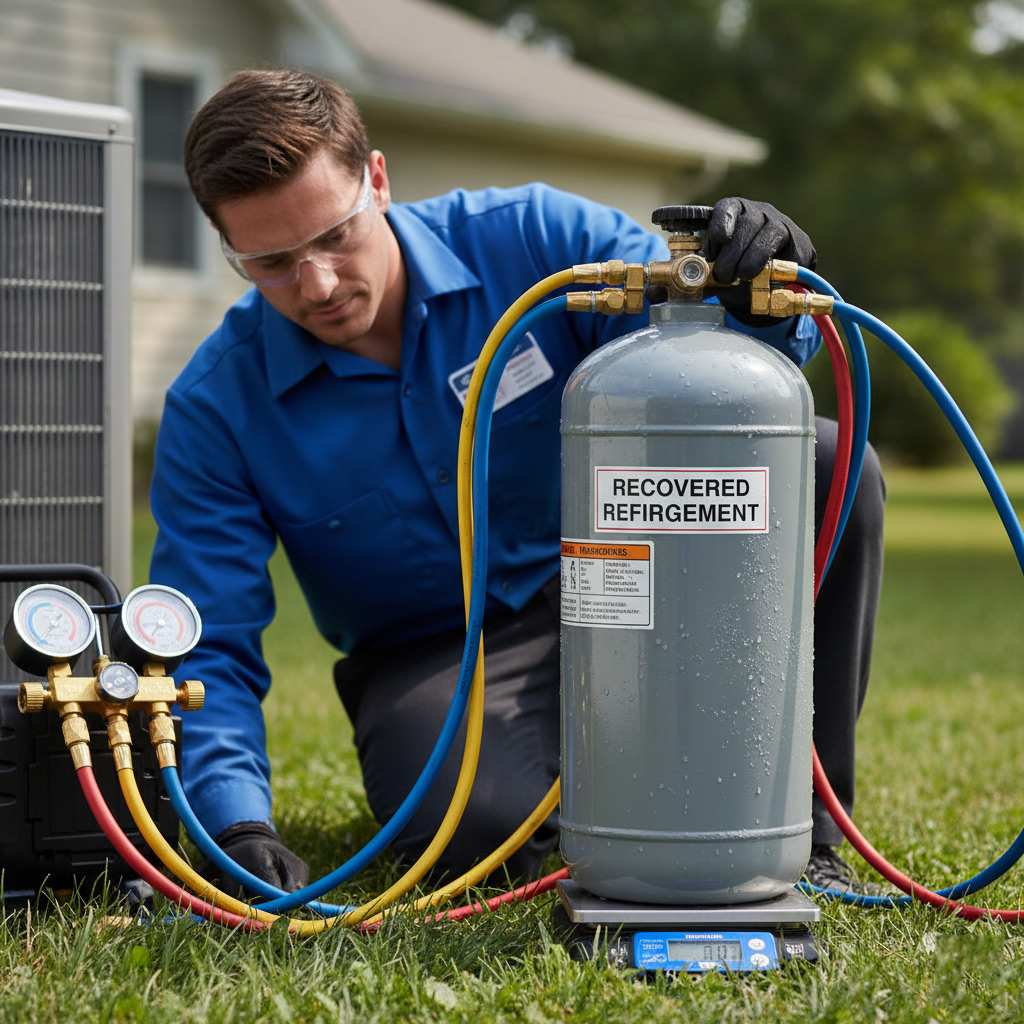
Understanding Garden Grove’s Climate: Why It Matters for HVAC Sizing
Garden Grove lives in a sweet spot of Southern California weather—scorching afternoons in July, breezy evenings in December, and a humidity level that can make a “cool” day feel sticky. Those temperature swings dictate how hard your HVAC has to work, and they’re the first clue you need when sizing a new system.
Seasonal Temperature Ranges
- Summer highs: 88‑95°F (31‑35°C)
- Winter lows: 45‑55°F (7‑13°C)
- Average humidity: 55‑70% year‑round
When the mercury climbs, the air holds more moisture, which means the unit must remove both heat and humidity. Undersized equipment will struggle, over‑sized gear will short‑cycle and waste energy. Getting the balance right saves you cash and keeps the house comfortable.
Because Garden Grove’s climate is a mix of heat and moisture, a proper load calculation must factor in:
- Peak summer temperatures
- Night‑time cooling needs
- Humidity removal requirements
Skipping any of those variables is a shortcut that ends in higher bills and a system that never feels “just right.” Accurate sizing is the foundation of a reliable, efficient HVAC replacement.
How to Assess Your Current System and Determine Replacement Timing
Step 1: Visual & Age Check
First, locate the serial plate on your furnace or air‑handler; the year stamped there tells you if the unit is past its prime.
If the metal looks rusted, the fan belt is cracked, or you hear rattling noises, those are warning signs that the system is on its last legs.
- Age over 15 years? Time to start budgeting.
- Visible corrosion or oil leaks? Call a pro ASAP.
Step 2: Performance Red Flags
Pull your latest utility bills and compare them to the same month last year—spikes of 20% or more usually mean the unit is working harder than it should.
Feel the airflow from each vent; weak or uneven streams indicate duct issues or a failing blower.
- Frequent short‑cycling? The thermostat is turning on and off too fast.
- Ice forming on the coil? The refrigerant charge is off.
Step 3: Pro Verdict & Timing
Schedule a certified technician to run a full diagnostic: airflow test, refrigerant pressure check, and safety inspection.
When the pros tell you the SEER rating is below 13, or the compressor is humming but not cooling, it’s a clear cue to replace.
- Replacement within 6 months saves you from emergency breakdowns.
- Take advantage of seasonal rebates before the summer rush.
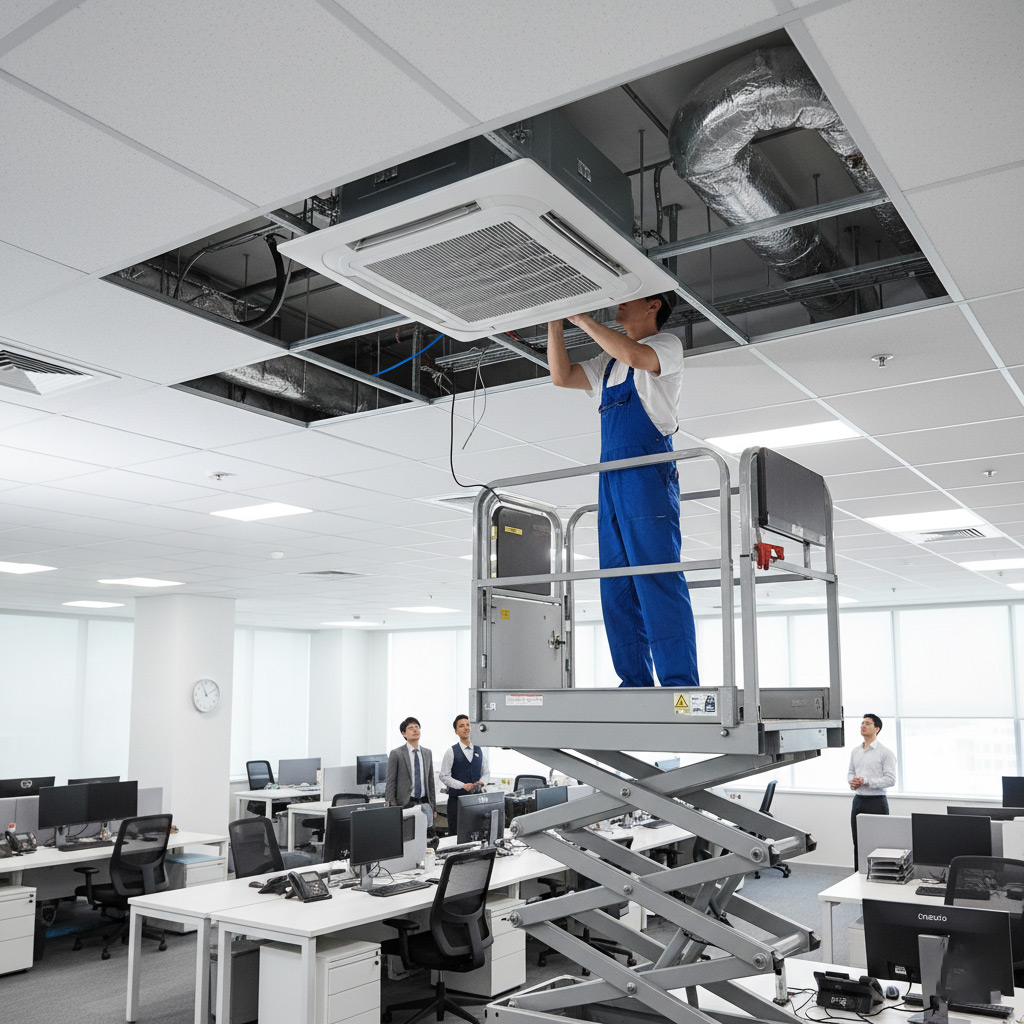
Choosing the Right HVAC Type: Central Air, Ductless Mini‑Split, or Heat Pump
Central Air
Most Garden Grove homes already have ductwork, so a central air system slides in like a puzzle piece. It delivers consistent cooling across every room, and the thermostat sits in one spot, keeping things simple.
Pros:
- Even temperature distribution
- Easy to control with a single thermostat
- Works well with existing forced‑air heating
Cons:
- Requires clean, intact ducts
- Higher upfront cost if ducts need repair
- Less efficient in homes with leaky ducts
Ductless Mini‑Split
If your house is older or you’re adding a new addition, ditch the ducts and go mini‑split. Each indoor unit talks directly to the outdoor compressor, so you can set different temperatures room by room.
These units are quiet, compact, and perfect for rooms that never get enough air from a central system.
Key benefits:
- Zone control saves energy
- Easy installation—no ductwork needed
- Ideal for historic homes where preserving walls matters
Heat Pump
A heat pump is a two‑in‑one beast: it cools in summer and heats in winter using the same outdoor unit. In Garden Grove’s mild winters, a heat pump can replace both an air conditioner and a furnace.
Look for a unit with a high SEER rating for summer and a good HSPF rating for winter; that combo keeps bills low year‑round.
When you weigh options, ask yourself:
- Do I need heating power in winter?
- Is my home already wired for central air?
- Can I afford the upfront cost for long‑term savings?
Calculating the Proper Capacity (BTU) and Energy Efficiency Ratings (SEER/EER)
How Many BTUs Do You Really Need?
First, square footage is your baseline. Measure each room, add them up, then multiply by 20‑30 BTU per square foot, depending on sun exposure.
Next, factor in ceiling height, insulation quality, and the number of occupants. A two‑story home with poor attic insulation can need 15‑20% more power.
Decoding SEER and EER
SEER (Seasonal Energy Efficiency Ratio) tells you how efficiently a unit runs over a cooling season. The higher the number, the lower your electric bill.
EER (Energy Efficiency Ratio) measures performance at a single, fixed temperature—useful for hot summer days when the thermostat sits at 95°F.
Step‑by‑Step Checklist
- Measure your home’s total square footage.
- Adjust for sunlight (north‑facing rooms need less, west‑facing need more).
- Account for ceiling height—add 10% if higher than 8 ft.
- Include occupancy load—add 600 BTU per person.
- Choose a unit with a SEER of 14 or higher for a solid return on investment.
- Verify the EER meets or exceeds 12 for peak‑day performance.
Budgeting Smart: Financing Options, Rebates, and Energy‑Saving Incentives in Orange County
Financing Options
Most homeowners don’t have a spare $10,000 lying around, so lenders have stepped up with HVAC‑specific loans that let you spread the cost over 36 to 72 months. Zero‑interest promos are common if you qualify, and many local credit unions offer a “green upgrade” line with lower rates.
Before you sign, ask for a clear amortization schedule. Know exactly how much each payment will be and whether there’s a pre‑payment penalty. A good rule of thumb: the monthly cost should be less than what you’d save on your utility bill.
Rebates & Incentives
Orange County utilities love energy‑efficient gear. The Southern California Edison (SCE) rebate program can knock $500‑$1,200 off a qualifying heat pump or high‑SEER unit. Check the California Energy Commission’s website for the latest list of eligible models.
Don’t forget local perks. The Garden Grove City Hall often runs a “Home Upgrade” grant that covers up to 20% of installation labor. Pair that with a federal tax credit—up to 30% of the equipment cost—and you could see a six‑figure saving on a $12,000 system.
Smart Budgeting Tips
Start with a realistic total‑cost estimate, then subtract every rebate, credit, and incentive you qualify for. What’s left is your out‑of‑pocket amount, which you can compare against financing offers.
- Prioritize units with a SEER rating of 16 or higher—higher efficiency means lower bills.
- Ask the installer for a “price‑lock” guarantee if you’re waiting for a rebate cycle.
- Consider a maintenance plan; a small monthly fee can prevent costly breakdowns later.
Case Study: Successful HVAC Replacement for a Historic Home in Garden Grove
The Challenge
When the owners of a 1920s Craftsman in Garden Grove called, their vintage home was sweating in July and freezing in December. The original split‑system was 25 years old, leaky ducts were stealing 30 % of the airflow, and the old furnace kept tripping the breaker.
Adding to the headache, the city’s historic preservation board demanded that any exterior changes blend with the original façade. The family needed a solution that respected the architecture *and* delivered modern comfort.
The Solution
We proposed a high‑efficiency, variable‑speed heat pump paired with a discreet, low‑profile ductless mini‑split for the upstairs bedroom. This combo kept the roofline clean and satisfied the board’s aesthetic rules.
- Performed a Manual J load calculation to size the system at 3.2 tons, avoiding the common “bigger is better” trap.
- Installed insulated, flexible ductwork in the crawl space, reducing heat loss by roughly 15 %.
- Selected a unit with a SEER of 18 and an HSPF of 10, qualifying for the California Energy Commission rebate.
Results
Within a week, the home’s indoor temperature steadied within ±2 °F of the setpoint, and the electric bill dropped 22 % compared to the previous year. The owners praised the quiet operation—no more rattling ducts or humming furnace.
Because the mini‑split’s indoor unit sits behind a decorative grille, the historic curb appeal stayed intact. The project earned a “green renovation” badge from the local chamber, giving the family bragging rights and a modest property‑value boost.
Final Words: Your Roadmap to a Comfortable, Efficient Home in Garden Grove
Now that you’ve got the climate facts, sizing math, and financing tricks under your belt, it’s time to turn knowledge into action. The moment you pick a reputable installer and lock in a system that matches your home’s quirks, you’ll feel the difference the next time the sun beats down on Garden Grove.
What to Do Next
- Schedule a free, on‑site load calculation with a certified technician.
- Compare at least three quotes, focusing on SEER/EER ratings and warranty terms.
- Ask about local rebates—Orange County often rolls out cash‑back offers for ENERGY STAR units.
- Set a realistic timeline: ordering, delivery, and installation usually take 2‑4 weeks.
Don’t let “perfect timing” become an excuse. A well‑chosen system pays for itself in lower bills and fewer repair calls. When you’re ready, swing by our HVAC Replacement page for a quick quote and let the pros handle the heavy lifting.
People Also Ask
What size HVAC system is ideal for a typical Garden Grove home?
A typical 1,500‑2,000 sq ft home in Garden Grove usually requires a 3‑4 ton unit, but exact sizing depends on insulation, window efficiency, and ceiling height. A professional load calculation ensures the system is neither oversized nor undersized.How often should I replace my HVAC system in Garden Grove?
Most HVAC systems last 12‑15 years, but frequent repairs, rising energy bills, or reduced comfort can signal it’s time for replacement. If your unit is older than 10 years and requires annual service calls, consider upgrading.Are ductless mini‑split systems a good option for historic homes?
Yes, ductless mini‑splits provide efficient heating and cooling without invasive ductwork, preserving the historic character of older homes. They also allow zone control, which can lower energy costs.What rebates or incentives are available for HVAC upgrades in Orange County?
Orange County offers utility rebates, federal tax credits up to $2,000 for ENERGY STAR® qualified units, and local financing programs through the California Energy Commission. Check with your utility provider for the latest offers.Should I choose a heat pump over a traditional air conditioner in Garden Grove?
A heat pump delivers both cooling and heating, making it a versatile choice for Garden Grove’s mild winters and hot summers. Modern heat pumps have high SEER ratings and can reduce overall energy consumption compared to separate systems.
Garden Grove HVAC brings over 15 years of residential and commercial climate‑control expertise to the Garden Grove community. Their certified technicians specialize in energy‑efficient heating, cooling, and indoor‑air‑quality solutions tailored to local homes and businesses. Committed to responsive service, they prioritize comfort and reliability for every client.
Need HVAC?
We provide rapid, reliable HVAC installation, repair, and maintenance for homes and businesses in Garden Grove and nearby ZIPs (92840, 92841, 92843, 92844, 92845). Our team restores comfortable indoor climates quickly, often the same day.
Get HVAC Quote