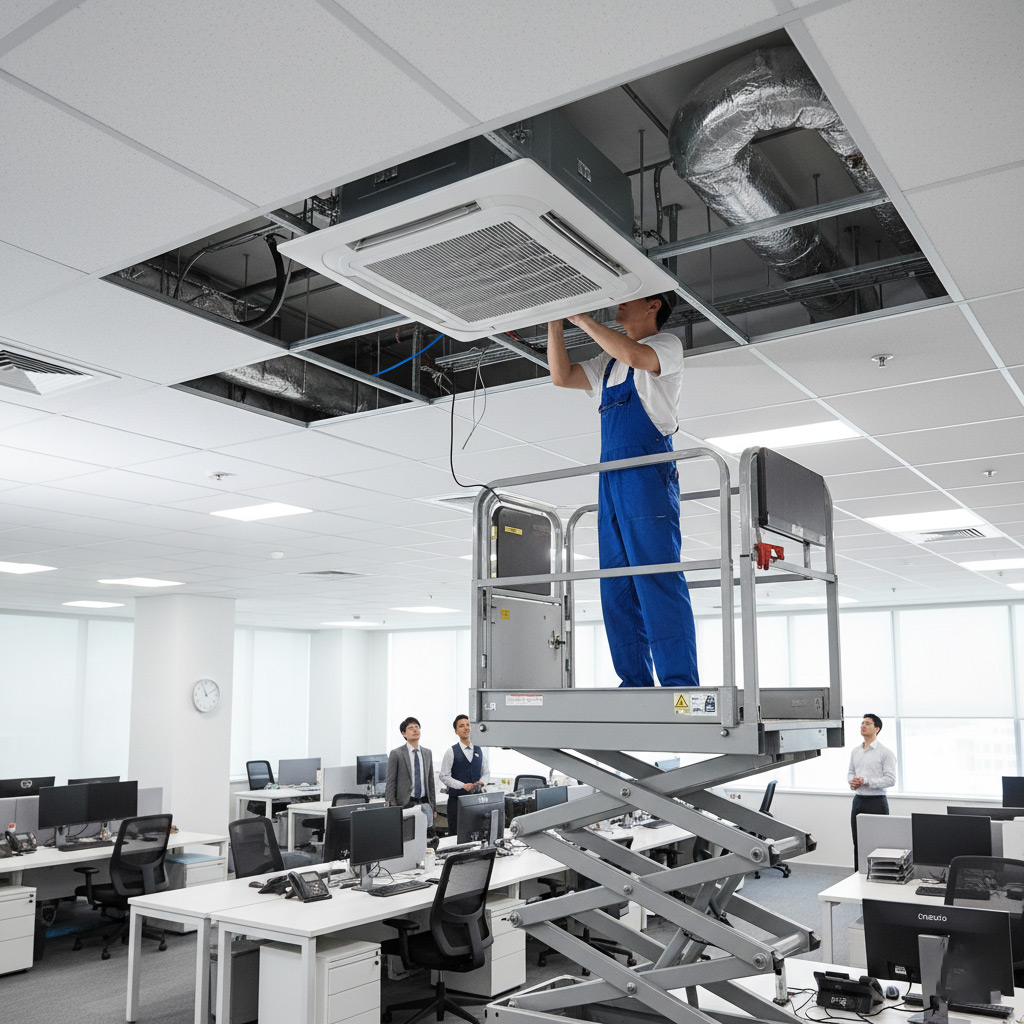
Your AC is humming louder than a lawn mower on a scorching July afternoon—something’s off, and the sweat on your forehead says it loud enough.
Maybe the thermostat is stuck at 78°, or the bills have started to look like a bad joke. Those little red flags aren’t just annoyances; they’re the early warning lights that your system is begging for a upgrade.
In Garden Grove’s relentless heat, a tired unit can turn a comfortable home into a sauna in minutes. Ignoring the signs can cost you more than a few extra dollars—it can shave years off the life of the whole HVAC family.
So, how do you know when it’s time to pull the trigger on a new system? Keep reading and we’ll walk you through the exact moments you should call in the pros.
Recognizing the Warning Signs That Your AC Needs Replacement
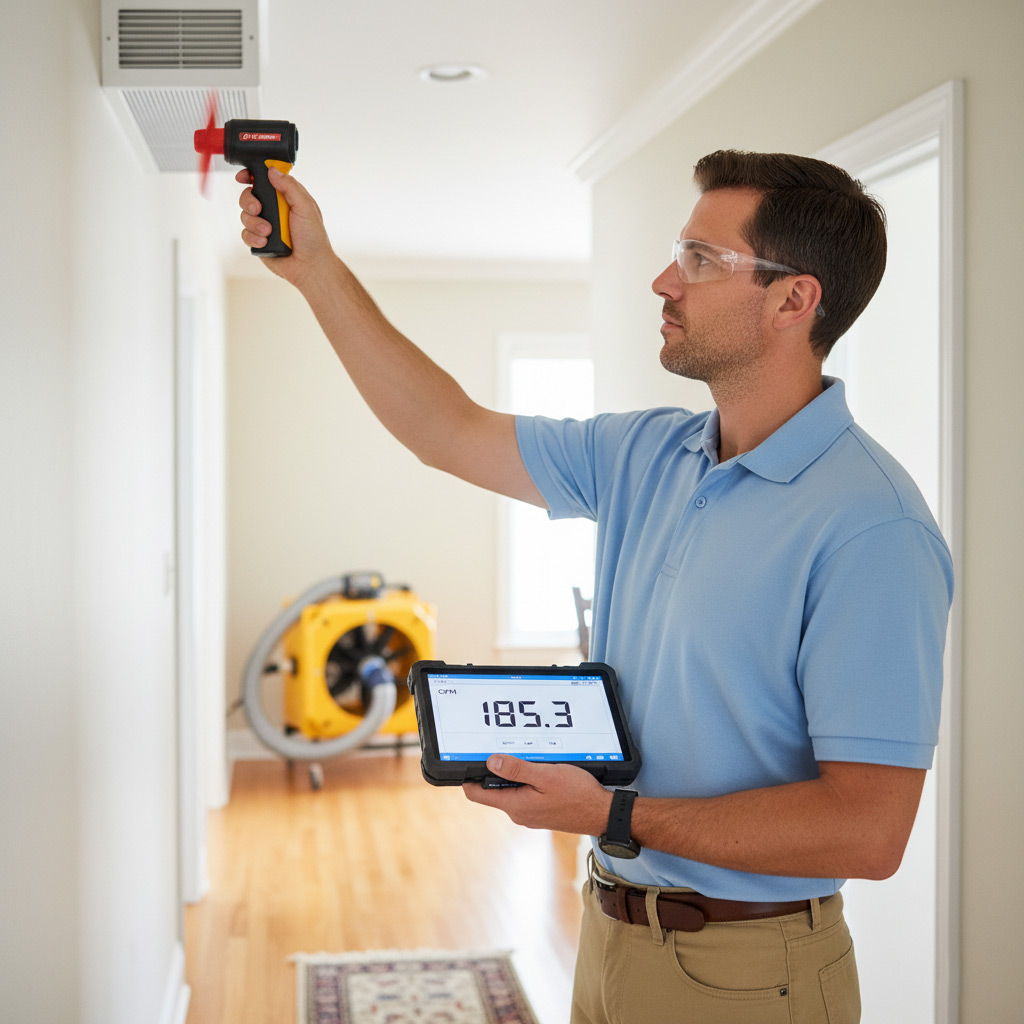
When your unit starts sounding like a lawn mower on full blast, it’s not just annoying—it’s a red flag. Strange rattles, grinding, or a high‑pitched whine usually mean internal parts are wearing out. If the air feels weak or blows unevenly, the compressor or fan motor is probably on its last legs.
What to Watch For
- Inconsistent temperatures from room to room.
- Sudden spikes in your electric bill—often 20% or more.
- More than two repair calls in a single season.
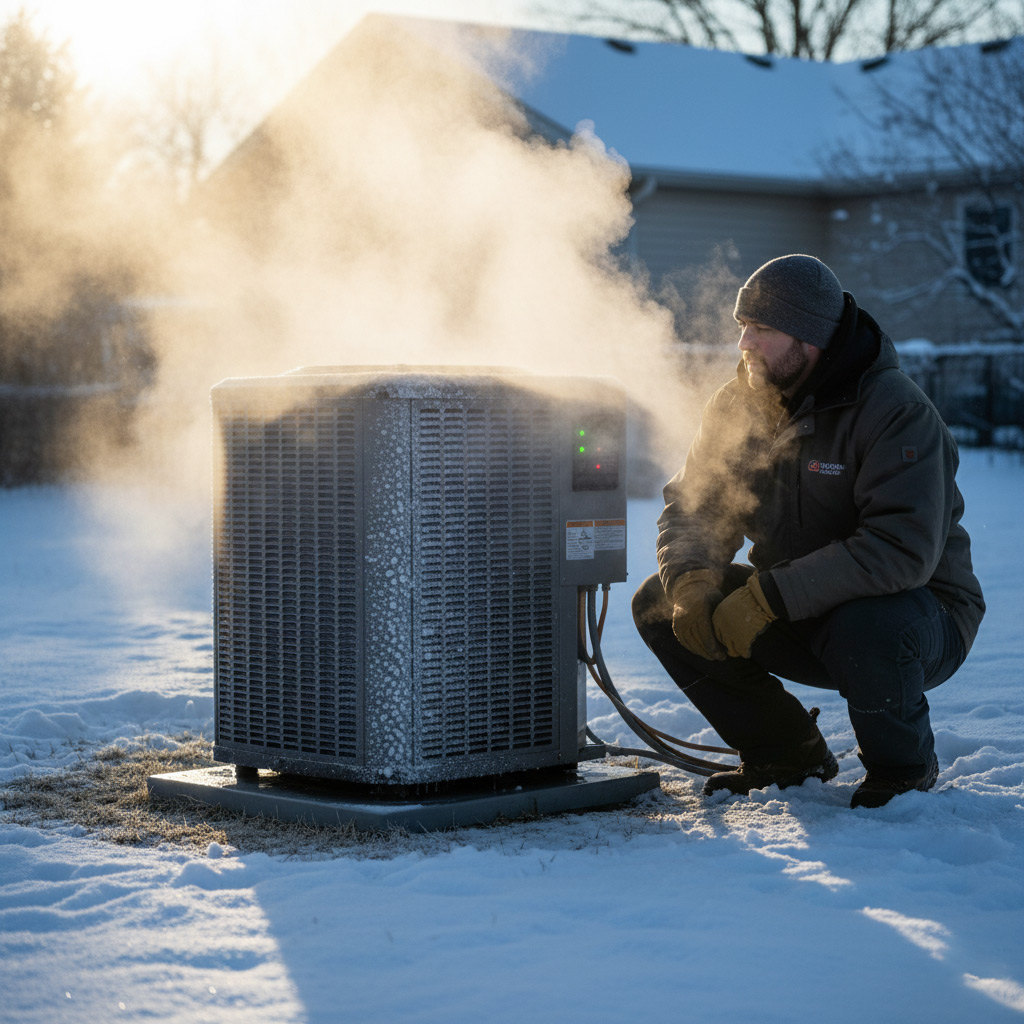
- Visible frost on the coils or a constant drip from the condensate line.
Frequent repairs are a money‑sucking habit. Each fix adds up, and after a point the cost of patching a dying system outweighs the price of a fresh, efficient unit. When the repair tally hits $1,000 or more in a year, it’s time to start shopping for a replacement.
Evaluating System Age, Efficiency Ratings, and Performance Decline
System Age Matters
Most central AC units in Garden Grove hit their prime around the 10‑year mark. Beyond that, wear and tear start to show up in the form of louder fans, longer start‑up times, and more frequent repairs.
If your system is pushing 12‑15 years old, it’s time to ask yourself whether you’re still getting the comfort you paid for.
SEER Ratings: What the Numbers Mean
The Seasonal Energy Ratio (SEER) tells you how much cooling you get for each unit of electricity. Older units often sit at 10‑12 SEER, while today’s models cruise at 14‑18 SEER.
Higher SEER = lower utility bills, and the gap widens as electricity rates climb.
Spotting the Slip in Performance
Even a brand‑new unit can lose its edge if it’s not sized right for your home. Look for these tell‑tale signs:
- Cooling cycles that drag on longer than 15 minutes
- Rooms that stay warm while others feel ice‑cold
- Frequent short‑cycling or the thermostat never reaching the set temperature
When you notice two or more of these, the performance decline is real, and a replacement will likely save you more than a patch‑up.
Calculating Energy Savings: When Replacement Beats Repair Costs
Before you start swapping parts, run the numbers. A 10‑year‑old unit that’s gulping 30% more power than a modern SEER‑15 model can add $200‑$400 to your monthly electric bill. That adds up fast—over five years you’re looking at an extra $12,000 in energy costs alone.
How to Do the Math
Grab a calculator and follow this quick cheat sheet:
- Current annual energy use: Check your last 12 months of utility statements.
- Projected savings: Subtract the estimated consumption of a new unit (usually 20‑30% lower).
- Multiply the difference by your utility rate (cents per kWh).
- Factor in repair costs you’d face each year—compressor, fan motor, refrigerant leaks.
If the total savings over the next three to five years exceeds the price tag of a new system, you’ve got a green light. Remember, a $5,000 replacement that slashes $1,200 a year in power bills pays for itself in just over four years—plus you dodge the surprise repair bills that keep popping up.
Selecting the Ideal Air Conditioning System for Garden Grove’s Climate
Know Your Climate
Garden Grove basks in hot, dry summers and mild winters, so you need a unit that can crush the heat without guzzling power.
Look for a system with a high SEER rating and a robust compressor that can handle long, sweltering days.
- Average July highs: 88‑95°F
- Low humidity, but occasional coastal breezes
- Peak demand: mid‑afternoon
Match System to Home
Not every house needs a full‑blown central air rig. Choose the style that fits your layout and budget.
Popular picks in Garden Grove include:
- Split‑system central AC – great for homes with existing ductwork.
- Mini‑split (ductless) – perfect for additions or older homes where ducts are a nightmare.
- Heat pump – gives you cooling and modest heating in one package.
Size It Right
Oversized units waste money; undersized units run nonstop. A professional load calculation is non‑negotiable.
Ask your installer to consider:
- Square footage and ceiling height
- Sun exposure on windows
- Insulation quality and air leakage
Understanding the Installation Process and What Homeowners Should Expect
Pre‑Installation Prep
Before the tech rolls in, clear a path to every vent and the outdoor unit. Remove toys, garden tools, and any obstacles that could slow the crew down.
Gather these items and you’ll keep the day moving:
- Proof of home insurance – the installer may need a copy.
- Old thermostat – they’ll swap it out, but it’s handy for reference.
- Utility shut‑off locations – know where the main breaker and gas valve sit.
Day of the Install
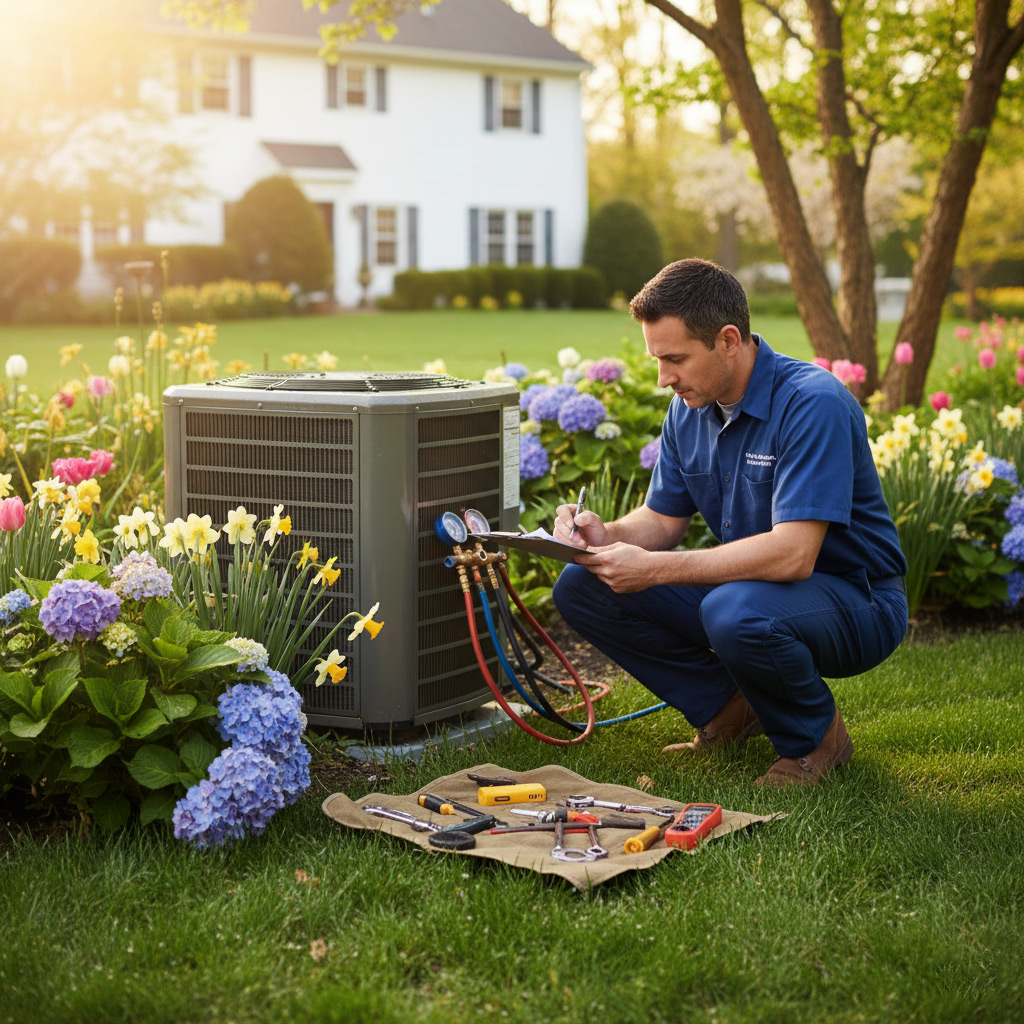
The team arrives, does a quick walkthrough, and confirms the layout. They’ll turn off power, disconnect the old unit, and haul it away in under an hour.
Next comes the heavy lifting: positioning the new condenser, threading refrigerant lines, and wiring the new thermostat. Most jobs finish within 4‑6 hours, leaving you with a fresh, humming system.
Post‑Install Walk‑Through
When the dust settles, the tech runs a full test, checks airflow, and shows you how to set the thermostat. They’ll also hand you a warranty card and a brief maintenance checklist.
Take note of the service date and set a reminder for your first filter change. A well‑maintained unit will keep Garden Grove’s heat at bay for years to come.
Case Study: Upgrading a 12‑Year‑Old Central AC in a Garden Grove Residence
The Situation
When the Martinez family called, their 12‑year‑old central unit was coughing, freezing the house at night and spiking the electric bill to double digits. The thermostat stuck at 78°, and the indoor air felt stale despite running the fan nonstop.
Key warning signs they reported:
- Frequent short‑cycling
- Ice forming on the evaporator coil
- Rattling noises louder than a pickup truck
The Solution
Our techs performed a quick diagnostic, confirmed the compressor was beyond repair, and recommended a high‑SEER 16 split‑system tailored for Garden Grove’s heat. We chose a unit with a variable‑speed blower to keep humidity in check.
Installation steps we followed:
- Remove the old furnace and condenser
- Upgrade the 3‑ton refrigerant line set
- Install a new programmable thermostat
The Results
Three months after the upgrade, the Martinez home saw a 30% drop in monthly energy costs and a noticeable improvement in indoor comfort. The new system runs quietly—no more lawn‑mower roar.
Homeowner feedback:
- “We finally feel cool the moment we step inside.”
- “The bill is back to what it was before the heat wave.”
Final Words
Take Action Before the Heat Wins
Don’t let another scorching afternoon catch you off guard. Schedule a professional assessment now and let the techs pinpoint whether repair or replacement makes sense for your Garden Grove home.
When you book, ask for a written estimate that breaks down labor, parts, and any rebates. Transparency keeps surprises out of your pocket.
What to Expect After the Call
- Quick on‑site diagnosis – usually under an hour.
- Clear recommendation – repair, replace, or upgrade.
- Financing options that match your budget.
Most homeowners hear back within 24 hours, and a solid contractor will walk you through the entire Air Conditioning Installation process step by step.
Keep Your System Running Smoothly
Once the new unit is in place, set a calendar reminder for a yearly tune‑up. A simple check‑up can shave dozens off your energy bill and extend the life of the equipment.
Remember: a well‑maintained AC is your ticket to comfortable evenings, lower costs, and peace of mind during those relentless Garden Grove summers.
People Also Ask
How do I know if my air conditioner in Garden Grove needs to be replaced?
Look for frequent breakdowns, uneven cooling, and rising energy bills. If repairs exceed 50% of the unit’s cost or it’s over 10‑12 years old, replacement is usually the smarter choice.
What efficiency rating should I aim for when upgrading my AC in Garden Grove?
Target a SEER rating of 16 or higher for optimal energy savings in Southern California’s climate. Higher SEER units may qualify for rebates and lower utility costs.
Can upgrading my AC lower my monthly electricity bill?
Yes. A modern, high‑efficiency system can cut cooling costs by 20‑30% compared to an older unit, especially when paired with proper maintenance and a programmable thermostat.
How long does a typical AC installation take in a Garden Grove home?
Most residential installations are completed in one to two days, including removal of the old unit, ductwork inspection, and system testing. Your contractor will provide a detailed schedule before starting.
Is it worth upgrading a 12‑year‑old central AC in Garden Grove?
Absolutely. After 12 years, efficiency drops and parts wear out, making a new system more reliable and cost‑effective. Upgrading can also improve indoor comfort and increase home resale value.

Garden Grove HVAC brings over 15 years of residential and commercial climate‑control expertise to the Garden Grove community. Their certified technicians specialize in energy‑efficient heating, cooling, and indoor‑air‑quality solutions tailored to local homes and businesses. Committed to responsive service, they prioritize comfort and reliability for every client.
Need HVAC?
We provide rapid, reliable HVAC installation, repair, and maintenance for homes and businesses in Garden Grove and nearby ZIPs (92840, 92841, 92843, 92844, 92845). Our team restores comfortable indoor climates quickly, often the same day.
Get HVAC Quote