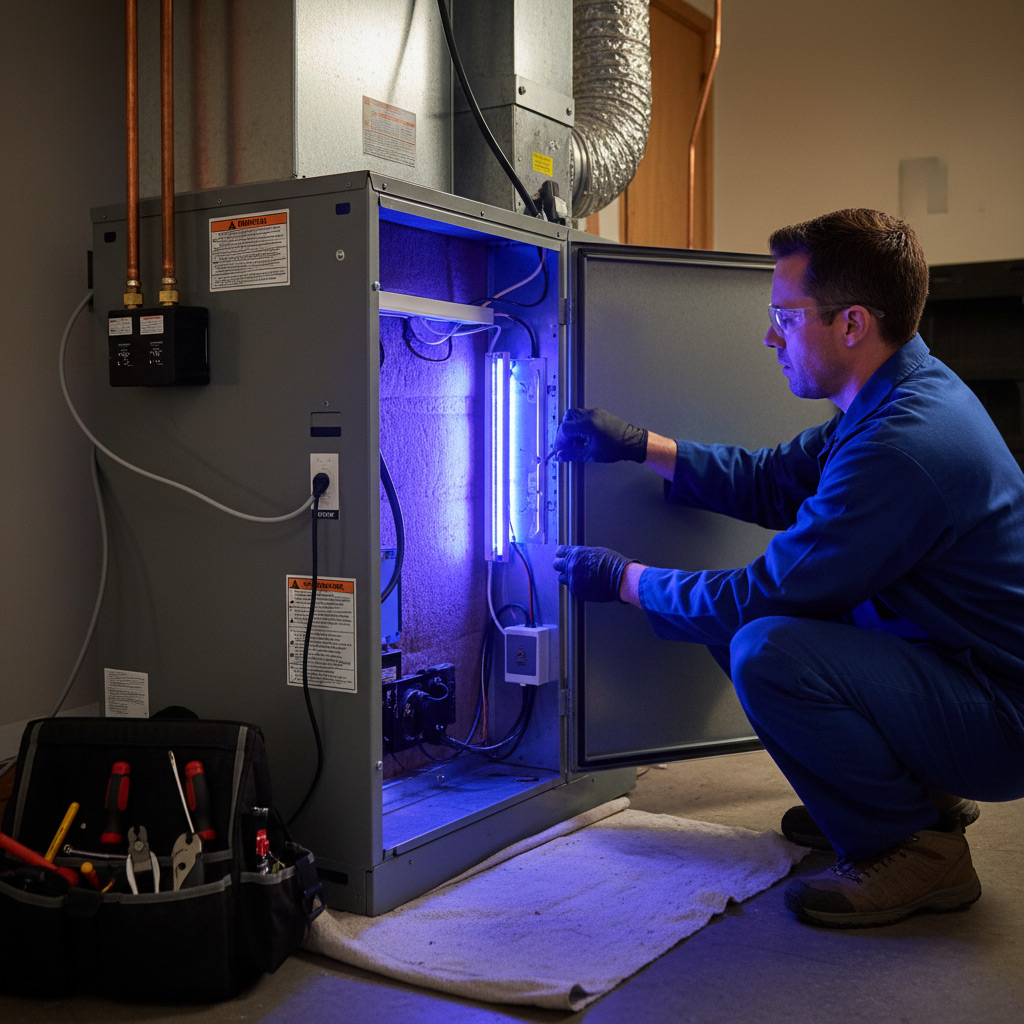
Picture this: your AC hums like a well‑tuned engine, your heating kicks on without a hiccup, and the utility meter barely moves. That’s the everyday reality for most Garden Grove families who have cracked the code on HVAC upkeep.
They’re not buying fancy gadgets or hiring the biggest chains. Instead, they follow a handful of no‑nonsense habits that keep their systems running like new, season after season.
What’s the secret sauce? It’s a mix of timing, simple checks, and a little know‑how that most contractors never mention. Those tricks can shave dollars off your bill and add years to your equipment’s life.
If you’re curious how a few easy steps can turn your home into a comfort fortress, keep reading and discover the maintenance hacks that locals swear by.

Understanding the Seasonal Timing: When to Schedule Your HVAC Checks
Spring: Wake‑up Call
As the first warm breezes roll in, your system shifts from heating to cooling mode. That transition is the perfect moment to book a professional inspection. A spring check catches worn belts, low refrigerant, and dirty coils before the summer heat hits.
- March‑April: Verify thermostat calibration and clean the outdoor unit.
- May: Replace the air filter if you’ve been using a standard 1‑inch model.
Summer & Winter: Peak Stress
When temperatures soar or plunge, your HVAC works overtime. Scheduling a tune‑up right before these peaks prevents costly breakdowns. Technicians will stress‑test the blower, check for refrigerant leaks, and tighten electrical connections.
- June‑July: Test the cooling capacity and inspect duct insulation.
- October‑November: Run a heating safety check and clean the furnace heat exchanger.
Your Calendar, Your Savings
Garden Grove’s mild winters and hot summers mean you can plan two solid service windows each year. Stick to the schedule and you’ll see lower utility bills and a longer lifespan for your equipment. Miss a window? You risk reduced efficiency and a surprise repair bill.
- Set reminders on your phone for the first week of March and October.
- Ask your technician for a written checklist so you know exactly what was done.
DIY Pre‑Inspection Checklist: Simple Steps Homeowners Can Do Every Month
Quick Visual Scan
Grab a flashlight and walk around the indoor unit. Look for dust buildup, loose panels, or any obvious signs of wear. Clear the area around the outdoor condenser so air can flow freely.- Check the coil for greenish slime – a sign of mold.
- Make sure the drain pan isn’t overflowing; a dry rag can catch drips.
- Verify that all vents are open and not blocked by furniture.
Listen & Feel
Turn the system on and pay attention to the sound. A rattling or whistling noise often means a loose screw or a clogged fan. Feel the airflow at each vent; it should be steady, not weak.- Tap the fan blades gently – they should move without wobble.
- Check thermostat response; it should hit the set temperature within 15‑20 minutes.
- Sniff for any odd odors that could indicate a refrigerant leak.
Record & React
Keep a simple log on your phone or a kitchen notepad. Note the date, any oddities, and what you cleaned or tightened. When something repeats, call a pro before it turns into a costly repair.- Mark filter changes – even if you use the “filter‑swap” rule.
- Jot down the outdoor unit’s temperature on a hot day; a big jump signals trouble.
- Set a reminder for the next month’s check‑up.

The “Filter‑Swap” Rule: Choosing the Right Filters and Changing Them on Schedule
Why filter size matters in Garden Grove
Most homeowners grab the cheapest 1‑inch filter they can find and wonder why the AC sputters in August. Fit matters—a filter that’s too small forces the blower to work harder, raising electricity use and wearing out the motor.
In our climate, a medium‑efficiency (MERV 8‑11) filter strikes the perfect balance: it catches pollen, dust, and pet dander without choking airflow. If you have asthma sufferers or a lot of outdoor work dust, bump up to MERV 13, but be ready to check the fan’s pressure more often.
Swap schedule you can actually stick to
Forget the “once a year” myth. The rule of thumb in Garden Grove is:
- Every 30 days for 1‑inch pleated filters.
- Every 60 days for 4‑inch washable panels.
- Every 90 days for high‑MERV filters in low‑dust homes.
Mark the date on your phone, not just the fridge. A quick visual cue—like a bright sticker on the thermostat—keeps the habit alive.
Quick swap checklist
When it’s time, turn off the unit, slide the old filter out, and give it a once‑over glance. If it looks darker than a coffee mug, replace it now—don’t wait for the next scheduled date.
Snap the new filter in, making sure the arrows point toward the blower. Close the panel, power the system back up, and feel the difference in a few minutes. That’s the “filter‑swap” secret: a tiny step that saves big bucks and keeps your home breathing easy.
Optimizing Thermostat Settings for Garden Grove’s Climate: Energy‑Saving Hacks
Know Your Climate Zones
Garden Grove sits in a warm‑Mediterranean belt, so the cooling season stretches from late spring through early fall. Set your cooling baseline around 78°F (25.5°C) when you’re home and active. When you’re out or asleep, drop it 5‑7 degrees – the system works harder to reach a lower temp than to stay steady.
Programmed Comfort, Not Guesswork
A programmable thermostat is your cheapest energy ally. Create three simple periods: Morning (6‑9 am), Day (9 am‑5 pm), and Evening (5 pm‑10 pm). Let the unit run low during the day, then kick it up just before you return.
- Morning: 72°F (22°C) – warm up the house before you rise.
- Day: 78°F (25.5°C) – let the house breathe.
- Evening: 74°F (23°C) – cozy without over‑cooling.
Smart Tweaks That Pay Off
Don’t let the thermostat become a glorified on/off switch. Use the fan “auto” mode so it only runs when the system calls for it – that cuts wasted electricity. Turn off “heat‑pump emergency heat” unless a freeze is imminent; it’s a power‑guzzler.
Finally, lock in the Eco or Energy Saver setting if your unit has one. It tells the system to pause briefly before restarting, shaving minutes off each cycle and trimming your bill.

Professional Tune‑Up Secrets: What Technicians Look for During Service Calls
The Core Inspection Checklist
When a pro steps onto your property, the first thing they do is verify the health of the coils. A quick visual and a gentle brush reveal whether grime is choking airflow.
Next, they hook up gauges to check refrigerant pressure against the manufacturer’s specs. Too high or too low means the system is working harder than it should.
- Clean evaporator and condenser coils
- Measure refrigerant charge
- Inspect electrical connections for corrosion or loose wires
Red Flags You Won’t See From Your Couch
Technicians have a nose for trouble that most homeowners miss. Unusual squeaks or rattles often point to a failing fan motor or a loose belt.
They also run a thermostat calibration test to make sure the temperature reading matches the actual room temperature.
- Listen for abnormal noises
- Check thermostat accuracy
- Measure airflow at each vent
Wrap‑Up & What You Get
After the deep dive, the tech runs a short performance cycle, watching how quickly the system reaches the set point. This tells them if the tune‑up actually paid off.
Finally, they hand you a concise report highlighting any wear items and a clear action plan—no jargon, just the steps you need to keep your Garden Grove home comfortable.
Case Study: How a Garden Grove Family Cut Their Energy Bill by 30% with Targeted Maintenance
The Family & Their Situation
When the Martinez family moved into their 2,300‑sq‑ft ranch in 2019, their first utility bill was a shock—nearly $350 for a single month of cooling. They knew something was off, but they didn’t have a big budget for a brand‑new system.
Instead of splurging, they turned to a disciplined maintenance plan that focused on the parts most likely to waste power. Within weeks they saw the meter start to behave.
What They Did Differently
Every month they ran a quick pre‑inspection and then scheduled two professional tune‑ups per year. The checklist looked like this:
- Clean the outdoor coil – dust and pollen act like a blanket, forcing the compressor to work harder.
- Inspect and tighten all electrical connections – loose wires create resistance and heat.
- Calibrate the thermostat for the local climate – a 2‑degree shift can shave 5‑10% off usage.
- Replace the filter with a high‑MERV (8‑12) model every 45 days – better airflow means less strain.
- Check refrigerant charge – low charge equals longer run times.
They also added a simple habit: set the fan to “auto” instead of “on” so the blower only runs when cooling or heating is needed.
Results & Takeaways
After six months, the Martinez’s electricity bill dropped from $340 to $235—a full 30% reduction. Their HVAC unit’s runtime fell by 22%, and the system felt quieter.
The secret? Consistency. Small, affordable actions performed on schedule prevented the big, costly breakdowns that most homeowners ignore.
Final Words: Keeping Your Home Comfortable Year‑Round with Proven HVAC Maintenance Practices
Stay ahead of the seasons
When the calendar flips, your HVAC system shouldn’t be left guessing. Set a recurring reminder—once in spring, once in fall—to book a professional tune‑up. That simple habit locks in peak performance before the heat or chill hits.
Pair that with a quick visual check: look for dust on coils, listen for odd noises, and verify that the thermostat responds promptly. If anything feels off, call your trusted tech before a minor glitch turns into a costly repair.
Every month, a five‑minute ritual
- Inspect the outdoor unit for debris; clear leaves, twigs, or lawn clippings.
- Swap the filter if it looks dirty—most homes need a change every 30‑45 days.
- Run the fan for a minute on “auto” to confirm airflow isn’t restricted.
These three steps take less time than brewing your morning coffee, yet they shave dollars off your utility bill and keep the system humming.
Leverage the power of the HVAC Maintenance page
Our online hub is packed with cheat sheets, seasonal checklists, and a quick‑click scheduler for local pros. Bookmark it, and you’ll never scramble for the right info when the temperature spikes.
Remember, consistency beats occasional heroics. A well‑maintained HVAC system rewards you with steady comfort, lower energy costs, and a longer lifespan—no magic, just smart habits.
People Also Ask
How often should Garden Grove homeowners schedule professional HVAC maintenance?
Professional HVAC maintenance is best performed twice a year—once in the spring before the cooling season and once in the fall before heating begins. This timing ensures the system runs efficiently through both extreme temperature periods.What simple monthly tasks can I do to keep my HVAC system healthy?
Homeowners can check and replace dirty filters, clear debris from outdoor units, and verify that vents are unobstructed. Running a quick visual inspection each month catches issues before they become costly repairs.Why does the “filter‑swap” rule matter for energy savings?
A clean filter allows proper airflow, reducing strain on the compressor and blower motor. When filters are changed on schedule, the system uses less electricity, often lowering monthly utility bills by 5‑10%.Can adjusting thermostat settings really lower my energy bill in Garden Grove?
Yes—setting the thermostat 2‑3°F higher in summer and lower in winter can cut heating and cooling loads dramatically. Pairing these adjustments with programmable schedules maximizes savings without sacrificing comfort.What do technicians look for during a professional HVAC tune‑up?
Technicians inspect refrigerant levels, test electrical connections, clean coils, and calibrate the thermostat. They also check for wear on moving parts and verify proper airflow to ensure optimal performance year‑round.
Garden Grove HVAC brings over 15 years of residential and commercial climate‑control expertise to the Garden Grove community. Their certified technicians specialize in efficient heating, cooling, and indoor‑air‑quality solutions tailored to local needs. Committed to responsive service, they keep homes and businesses comfortable year‑round.
Need HVAC?
We provide rapid, reliable HVAC installation, repair, and maintenance for homes and businesses in Garden Grove and nearby ZIPs (92840, 92841, 92843, 92844, 92845). Our team restores comfortable indoor climates quickly, often the same day.
Get HVAC Quote